登入
|
註冊
|
會員中心
|
結帳
|
培訓課程
魔法弟子
|
自資出版
|
電子書
|
客服中心
|
智慧型立体會員
書名
出版社
作者
isbn
編號
5050魔法眾籌
|
NG書城
|
國際級品牌課程
|
優惠通知
|
霹靂英雄音樂精選
|
阿茂的奇遇:與台灣獼猴友情的歷險之旅
.
打開衛武營管風琴的祕
文學小說
文學
|
小說
商管創投
財經投資
|
行銷企管
人文藝坊
宗教、哲學
社會、人文、史地
藝術、美學
|
電影戲劇
勵志養生
醫療、保健
料理、生活百科
教育、心理、勵志
進修學習
電腦與網路
|
語言工具
雜誌、期刊
|
軍政、法律
參考、考試、教科用書
科學工程
科學、自然
|
工業、工程
家庭親子
家庭、親子、人際
青少年、童書
玩樂天地
旅遊、地圖
|
休閒娛樂
漫畫、插圖
|
限制級
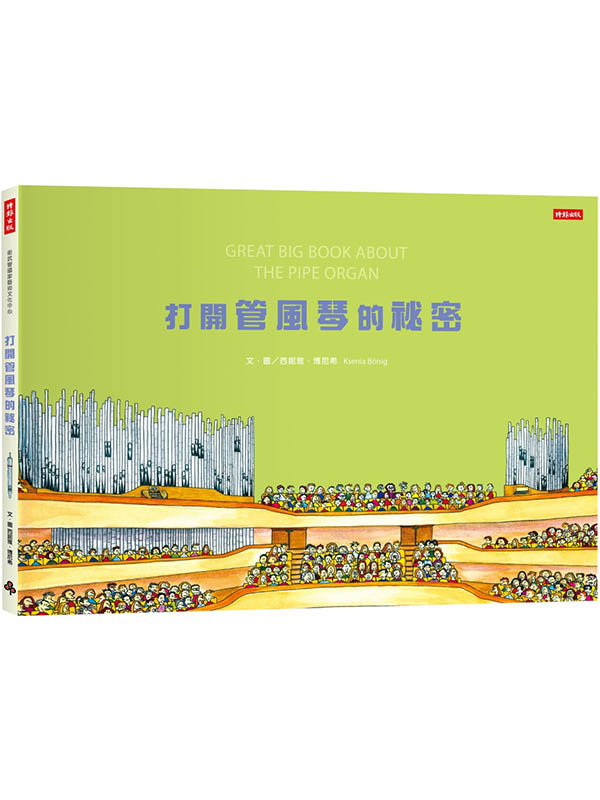
打開管風琴的祕密
GREAT BIG BOOK ABOUT THE PIPE ORGAN
作者:
西妮雅.博尼希
分類:
青少•童書
/
圖畫書
叢書系列:Origin
出版社:
時報
出版日期:2022/3/22
ISBN:9786263351387
書籍編號:kk0547257
頁數:40
定價:
320
元
優惠價:
79
折
253
元
書價若有異動,以出版社實際定價為準
訂購後立即為您進貨
訂購後立即為您進貨:目前無庫存量,讀者下訂後,開始進入調書程序,一般天數約為2-10工作日(不含例假日)。
團購數最低為 20 本以上
評價數:
(請將滑鼠移至星星處進行評價)
目前平均評價:
文字連結
複製語法
<a href='https://www.silkbook.com/book_detail.asp?goods_ser=kk0547257'>打開管風琴的祕密</a>
圖片連結
複製語法
<a href='https://www.silkbook.com/book_detail.asp?goods_ser=kk0547257'><img src='https://www.silkbook.com/mall_image/bk/kk0547257.jpg' ALT='打開管風琴的祕密' height='120' width='90'></a>
分
享
內容簡介
作者介紹
同類推薦
打開管風琴的祕密 內容簡介 你認識「樂器之王」──管風琴嗎? 關於管風琴的各種祕密,不只說給你聽,更畫給你看! 高雄的衛武營國家藝術文化中心裡有著一台亞洲最大又最特別的管風琴。 裡面到底有多少支音管呢? 一位演奏家如何獨自彈奏如此巨大的樂器? 管風琴是在哪裡製造? 又是如何製造呢? 所有關於管風琴有趣的小知識,都將在本書透過活潑生動的繪圖來呈現。 獻給想要了解更多關於「管風琴知識」的小朋友與家長。 ◆本書與衛武營國家藝術文化中心合作出版 The pipe organ is called the “King of Instruments”. The organ in the National Kaohsiung Center for the Arts (Weiwuyiing) in Kaohsiung is the biggest in Asia and is very special. How many pipes does it have, how can one man play such a big instrument alone, where and how was it built? All these and many more interesting things are talked about in this book, with the help of vivid and informative pictures. For all children and their parents who want to learn more about the organ.
喜鵲幸福仲介
汪達老師的夢想
我的奇妙房屋
浮浪狗奇譚:【第壹部
丹尼應該怎麼做?:讓
歡迎光臨奇怪小學2:
歡迎光臨奇怪小學1:
奔馳南北的高速鐵路【
古飛樂奶奶
桑尼的行動餐車:去草
為了保障您的權益,新絲路網路書店所購買的商品均享有到貨七天的鑑賞期(含例假日)。退回之商品必須於鑑賞期內寄回(以郵戳或收執聯為憑),且商品必須是全新狀態與完整包裝(商品、附件、內外包裝、隨貨文件、贈品等),否則恕不接受退貨。