登入
|
註冊
|
會員中心
|
結帳
|
培訓課程
魔法弟子
|
自資出版
|
電子書
|
客服中心
|
智慧型立体會員
書名
出版社
作者
isbn
編號
5050魔法眾籌
|
NG書城
|
國際級品牌課程
|
優惠通知
|
霹靂英雄音樂精選
|
超滿足!6000句外師親錄英文會話書(超值光碟附贈6小時30分鐘外師親錄全書英文會話MP3)
此作者無相關書籍
文學小說
文學
|
小說
商管創投
財經投資
|
行銷企管
人文藝坊
宗教、哲學
社會、人文、史地
藝術、美學
|
電影戲劇
勵志養生
醫療、保健
料理、生活百科
教育、心理、勵志
進修學習
電腦與網路
|
語言工具
雜誌、期刊
|
軍政、法律
參考、考試、教科用書
科學工程
科學、自然
|
工業、工程
家庭親子
家庭、親子、人際
青少年、童書
玩樂天地
旅遊、地圖
|
休閒娛樂
漫畫、插圖
|
限制級
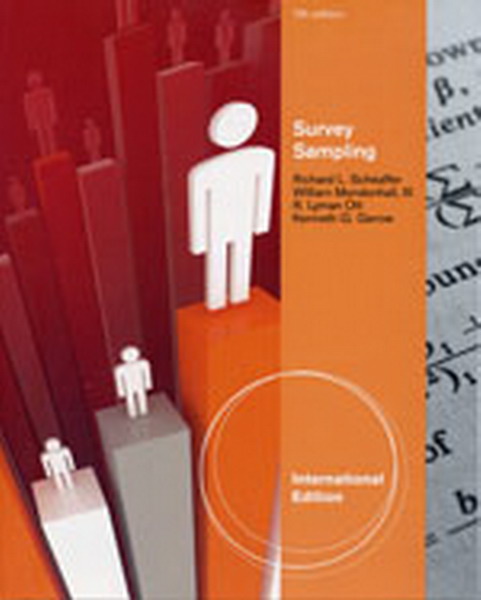
Survey Sampling(2012年7版)
作者:
Scheaffer、Mendenhall III、Ott、Gerow
分類:
語言工具
/
英語進修
出版社:
華泰文化
出版日期:2012/12/4
ISBN:9781111569341
書籍編號:kk0341260
頁數:448
定價:
1080
元
書價若有異動,以出版社實際定價為準
暫停販售
暫無供應商:尋找供貨商中(也有可能出版社已結束)。
團購數最低為 20 本以上
評價數:
(請將滑鼠移至星星處進行評價)
目前平均評價:
文字連結
複製語法
<a href='https://www.silkbook.com/book_detail.asp?goods_ser=kk0341260'>Survey Sampling(2012年7版)</a>
圖片連結
複製語法
<a href='https://www.silkbook.com/book_detail.asp?goods_ser=kk0341260'><img src='https://www.silkbook.com/mall_image/bk/kk0341260.jpg' ALT='Survey Sampling(2012年7版)' height='120' width='90'></a>
分
享
內容簡介
書籍目錄
同類推薦
Survey Sampling(2012年7版) Features 1.Bridges the gap between classroom and practice in two significant ways: First, select sections on weights in unequal probability sampling. Then, they expanded the treatment of nonresponse in Chapter 11, including the use of imputation as a technique for handling some types of nonresponse. 2.Emphasizes two cutting-edge sampling techniques: the bootstrap, a modern technique for establishing margins of error and confidence intervals in complex designs, and an adaptive sampling technique for improving estimates while the field work is in progress. 3.Utilizes detailed simulations: Key statistical concepts are demonstrated using step-by-step simulations. New To This Edition 1.Integrates new software: By using software that significantly decreases the need for long arithmetic, the authors have allowed students to focus less on arithmetic, and instead on the valid use of appropriate statistical tools. 2.New Icons: Excel Tools icons have been added to the boxed equations and example solutions, so as to direct students to use Excel when appropriate. 3.More concise data: The data for examples and exercises is now more concise and is also incorporated with the electronic supplements. 4.Updated Appendices: the Appendices for this edition have been updated to be more concise and user-friendly.
Ch 1 Introduction Ch 2 Elements of the Sampling Problem Ch 3 Some Basic Concepts of Statistics Ch 4 Simple Random Sampling Ch 5 Stratified Random Sampling Ch 6 Ratio, Regression, and Difference Estimation Ch 7 Systematic Sampling Ch 8 Cluster Sampling Ch 9 Two-Stage Cluster Sampling Ch10 Estimating the Population Size Ch11 Supplemental Topics Ch12 Summary
1本就通 高中英文作
品味莎士比亞英文名作
威尼斯商人 The
英文閱讀必考題型 一
近五年英文學測/ 指
新聞英文聽說讀:加深
救命!我在學英文文法
商務會話這樣學才記得
FUN學美國教科書S
FUN學美國教科書S
為了保障您的權益,新絲路網路書店所購買的商品均享有到貨七天的鑑賞期(含例假日)。退回之商品必須於鑑賞期內寄回(以郵戳或收執聯為憑),且商品必須是全新狀態與完整包裝(商品、附件、內外包裝、隨貨文件、贈品等),否則恕不接受退貨。