登入
|
註冊
|
會員中心
|
結帳
|
培訓課程
魔法弟子
|
自資出版
|
電子書
|
客服中心
|
智慧型立体會員
書名
出版社
作者
isbn
編號
5050魔法眾籌
|
NG書城
|
國際級品牌課程
|
優惠通知
|
霹靂英雄音樂精選
|
微處理機/單晶片組合語言教學範本(附CD)
此作者無相關書籍
文學小說
文學
|
小說
商管創投
財經投資
|
行銷企管
人文藝坊
宗教、哲學
社會、人文、史地
藝術、美學
|
電影戲劇
勵志養生
醫療、保健
料理、生活百科
教育、心理、勵志
進修學習
電腦與網路
|
語言工具
雜誌、期刊
|
軍政、法律
參考、考試、教科用書
科學工程
科學、自然
|
工業、工程
家庭親子
家庭、親子、人際
青少年、童書
玩樂天地
旅遊、地圖
|
休閒娛樂
漫畫、插圖
|
限制級
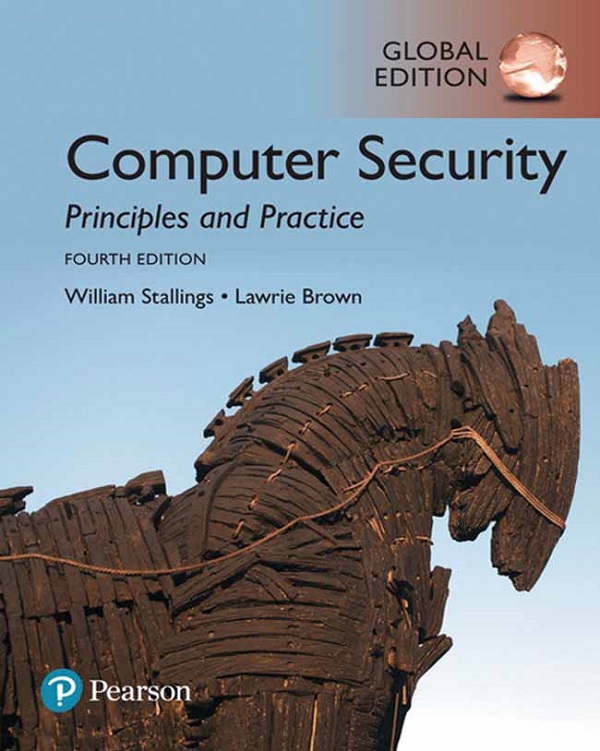
COMPUTER SECURITY:PRINCIPLES AND PRACTICE 4/E (GE)
作者:
STALLINGS、BROWN
分類:
參考•考試•教科書
/
大專學院教科書
出版社:
PRENTICE HALL
出版日期:2018/3/26
ISBN:9781292220611
書籍編號:kk0464151
頁數:800
定價:
1180
元
書價若有異動,以出版社實際定價為準
訂購後立即為您進貨
訂購後立即為您進貨:目前無庫存量,讀者下訂後,開始進入調書程序,一般天數約為2-10工作日(不含例假日)。
團購數最低為 20 本以上
評價數:
(請將滑鼠移至星星處進行評價)
目前平均評價:
文字連結
複製語法
<a href='https://www.silkbook.com/book_detail.asp?goods_ser=kk0464151'>COMPUTER SECURITY:PRINCIPLES AND PRACTICE 4/E (GE)</a>
圖片連結
複製語法
<a href='https://www.silkbook.com/book_detail.asp?goods_ser=kk0464151'><img src='https://www.silkbook.com/mall_image/bk/kk0464151.jpg' ALT='COMPUTER SECURITY:PRINCIPLES AND PRACTICE 4/E (GE)' height='120' width='90'></a>
分
享
內容簡介
書籍目錄
同類推薦
COMPUTER SECURITY:PRINCIPLES AND PRACTICE 4/E (GE) 本書特色 Content updates .Data center security discussion in Chapter 5 covers data center security and the TIA-492 specification of reliability tiers. .Malware material in Chapter 6 includes additional material on macro viruses and their structure, as they are now the most common form of virus malware. .Virtualization securitymaterial in Chapter 12 has been extended, given the rising use of such systems by organizations and in cloud computing environments. A discussion of virtual firewalls, which may be used to help secure these environments, has also been added. .Cloud security discussion inChapter 13 includes an introduction to cloud computing, key cloud security concepts, an analysis of approaches to cloud security, and an open-source example. .IoT security indiscussion Chapter 13 covers security for the Internet of Things (IoT). The discussion includes an introduction to IoT, an overview of IoT security issues, and an open-source example. .SEIMdiscussion in Chapter 18 is updated for Security Information and Event Management (SIEM) Systems. .Privacy section covers privacy issues and its management in Chapter 19. The section has been extended with additional discussion of moral and legal approaches, and the privacy issues related to big data. .Authenticated encryption has become an increasingly widespread cryptographic tool in a variety of applications and protocols. Chapter 21 includes a new discussion of authenticated description and describes an important authenticated encryption algorithm known as offset codebook (OCB) mode. 內容簡介 For courses in computer/network security Balancing principle and practice—an updated survey of the fast-moving world of computer and network security Computer Security: Principles and Practice, 4th Edition, is ideal for courses in Computer/Network Security. The need for education in computer security and related topics continues to grow at a dramatic rate—and is essential for anyone studying Computer Science or Computer Engineering. Written for both an academic and professional audience, the 4th Edition continues to set the standard for computer security with a balanced presentation of principles and practice. The new edition captures the most up-to-date innovations and improvements while maintaining broad and comprehensive coverage of the entire field. The extensive offering of projects provides students with hands-on experience to reinforce concepts from the text. The range of supplemental online resources for instructors provides additional teaching support for this fast-moving subject. The new edition covers all security topics considered Core in the ACM/IEEE Computer Science Curricula 2013, as well as subject areas for CISSP (Certified Information Systems Security Professional) certification. This textbook can be used to prep for CISSP Certification and is often referred to as the ‘gold standard’ when it comes to information security certification. The text provides in-depth coverage of Computer Security, Technology and Principles, Software Security, Management Issues, Cryptographic Algorithms, Internet Security and more.
目錄 Ch1: Overview PART ONE COMPUTER SECURITY TECHNOLOGY AND PRINCIPLES Ch2: Cryptographic Tools Ch3: User Authentication Ch4: Access Control Ch5: Database and Data Center Security Ch6: Malicious Software Ch7: Denial-of-Service Attacks Ch8: Intrusion Detection Ch9: Firewalls and Intrusion Prevention Systems PART TWO SOFTWARE SECURITY AND TRUSTED SYSTEMS Ch10: Buffer Overflow Ch11: Software Security Ch12: Operating System Security Ch13: Cloud and IoT Security PART THREE MANAGEMENT ISSUES Ch14: IT Security Management and Risk Assessment Ch15: IT Security Controls, Plans and Procedures Ch16: Physical and Infrastructure Security Ch17: Human Resources Security Ch18: Security Auditing Ch19: Legal and Ethical Aspects PART FOUR CRYPTOGRAPHIC ALGORITHMS Ch20: Symmetric Encryption and Message Confidentiality Ch21: Public-Key Cryptography and Message Authentication PART FIVE NETWORK SECURITY Ch22: Internet Security Protocols and Standards Ch23: Internet Authentication Applications Ch24: Wireless Network Security APPENDICES Appendix A Projects and Other Student Exercises for Teaching Computer Security ACRONYMS LIST OF NIST DOCUMENTS REFERENCES INDEX ONLINE CHAPTERS AND APPENDICES Online chapters, appendices, and other documents are Premium Content, available via the access card printed in the front of the book. Chapter 25 Linux Security Chapter 26 Windows and Windows Vista Security Appendix B Some Aspects of Number Theory Appendix C Standards and Standard-Setting Organizations Appendix D Random and Pseudorandom Number Generation Appendix E Message Authentication Codes Based on Block Ciphers Appendix F TCP/IP Protocol Architecture Appendix G Radix-64 Conversion Appendix H The Domain Name System Appendix I The Base-Rate Fallacy Appendix J SHA-3 Appendix K Glossary
視光藥理學(第五版)
財務管理理論與應用(
新編環境毒物學(第二
生活科技(第六版)
內外科護理技術(第十
Java程式設計入門
現代商用英文──書信
醫療急救(第二版)
空氣汙染防制:理論及
綠色能源科技(第六版
為了保障您的權益,新絲路網路書店所購買的商品均享有到貨七天的鑑賞期(含例假日)。退回之商品必須於鑑賞期內寄回(以郵戳或收執聯為憑),且商品必須是全新狀態與完整包裝(商品、附件、內外包裝、隨貨文件、贈品等),否則恕不接受退貨。