登入
|
註冊
|
會員中心
|
結帳
|
培訓課程
魔法弟子
|
自資出版
|
電子書
|
客服中心
|
智慧型立体會員
書名
出版社
作者
isbn
編號
5050魔法眾籌
|
NG書城
|
國際級品牌課程
|
優惠通知
|
霹靂英雄音樂精選
|
微處理機/單晶片組合語言教學範本(附CD)
.
C HOW TO P
.
VISUAL C#
文學小說
文學
|
小說
商管創投
財經投資
|
行銷企管
人文藝坊
宗教、哲學
社會、人文、史地
藝術、美學
|
電影戲劇
勵志養生
醫療、保健
料理、生活百科
教育、心理、勵志
進修學習
電腦與網路
|
語言工具
雜誌、期刊
|
軍政、法律
參考、考試、教科用書
科學工程
科學、自然
|
工業、工程
家庭親子
家庭、親子、人際
青少年、童書
玩樂天地
旅遊、地圖
|
休閒娛樂
漫畫、插圖
|
限制級
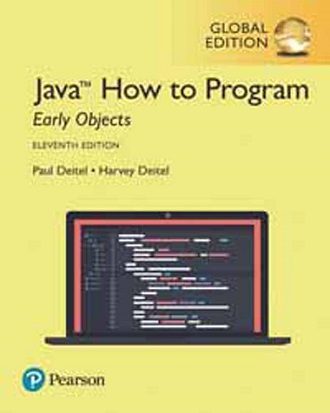
JAVA HOW TO PROGRAM (EARLY OBJECTS) 11/E (GE)
作者:
DEITEL、DEITEL
分類:
參考•考試•教科書
/
大專學院教科書
出版社:
PRENTICE HALL
出版日期:2018/1/8
ISBN:9781292223858
書籍編號:kk0464152
頁數:1296
定價:
1500
元
書價若有異動,以出版社實際定價為準
訂購後立即為您進貨
訂購後立即為您進貨:目前無庫存量,讀者下訂後,開始進入調書程序,一般天數約為2-10工作日(不含例假日)。
團購數最低為 20 本以上
評價數:
(請將滑鼠移至星星處進行評價)
目前平均評價:
文字連結
複製語法
<a href='https://www.silkbook.com/book_detail.asp?goods_ser=kk0464152'>JAVA HOW TO PROGRAM (EARLY OBJECTS) 11/E (GE)</a>
圖片連結
複製語法
<a href='https://www.silkbook.com/book_detail.asp?goods_ser=kk0464152'><img src='https://www.silkbook.com/mall_image/bk/kk0464152.jpg' ALT='JAVA HOW TO PROGRAM (EARLY OBJECTS) 11/E (GE)' height='120' width='90'></a>
分
享
內容簡介
書籍目錄
同類推薦
JAVA HOW TO PROGRAM (EARLY OBJECTS) 11/E (GE) 本書特色 This title is a Pearson Global Edition. The Editorial team at Pearson has worked closely with educators around the world to include content which is especially relevant to students outside the United States. Prepare students to meet Java programming challenges .Rich coverage of programming fundamentals; real-world examples. .Friendly early classes and objects presentation. .Use easily with Java? SE 8 and/or the new Java? SE 9. 。Java SE 9 content is in easy-to-include-or-omit sections. 。Perfect for instructors who want to stay in Java SE 8 for a while and ease into Java SE 9. 。Perfect for instructors who want to add JShell (Java 9’s interactive Java) to their Java SE 8 or Java SE 9 courses. .Signature live-code approach teaches programming by presenting the concepts in the context of complete working programs. .The text’s modular organization is appropriate for introductory and intermediate programming courses, and helps instructors plan their syllabi. .Comprehensive coverage of concepts and topics: 。Interactive Java through JShell–Java SE 9’s most exciting new pedagogic feature. 。Java 9 topics: Modularity (online), collection factory methods and other language and API enhancements. 。Lambdas, sequential and parallel streams, functional interfaces, immutability. 。JavaFX GUI, 2D and 3D graphics, animation and video. 。Composition vs. Inheritance, dynamic composition. 。Programming to an interface not an implementation. 。Files, input/output streams and XML serialization. 。Concurrency for optimal multi-core performance. 。Other topics: recursion, searching, sorting, generics, generic collections, data structures, optional Swing GUI, multithreading, database (JDBC ? and JPA). .Access to the Companion Website (http://www.pearsonhighered.com/deitel) is available with the purchase of a new textbook and provides extra hands-on experience and study aids, including: 。Extensive VideoNotes allow students to view the problem-solving process outside of the classroom–when they need help the most. In the VideoNotes, co-author Paul Deitel patiently explains most of the programs in the book’s core chapters. Students like viewing the VideoNotes for reinforcement of core concepts and for further insights. 。Additional chapters and appendices for advanced courses. 。Evolving Java SE 9 content 。Source code for the book’s examples (also available athttp://deitel.com/books/jhtp11). Facilitate Learning with Outstanding Applied Pedagogy .Programming Wisdom: Hundreds of valuable programming tips facilitate learning. Icons throughout the text identify Software Engineering Observations, Good Programming Practices, Common Programming Errors, Error-Prevention Tips, Portability Tips, Performance Tips, and Look-and-Feel Observations(for GUI design). These represent the best the authors have gleaned from a combined nine decades of programming and teaching experience. .Hundreds of self-review exercises with answers. .Hundreds of interesting real-world exercises and projects enable students to apply what they’ve learned in each chapter (Instructor Solutions Manual contains answers for most). .“Making a Difference” exercises encourage students to use computers and the Internet to research and address significant social problems. .Most of the programming exercises are titled to help instructors select the most appropriate exercises for homework assignments. 內容簡介 For courses in Java programming This package includes Pearson MyLab Programming. Unparalleled breadth and depth of object-oriented programming concepts The Deitels?groundbreaking How to Program series offers unparalleled breadth and depth of programming fundamentals, object-oriented programming concepts and intermediate-level topics for further study. Java How to Program, Early Objects, 11th Edition, presents leading-edge computing technologies using the Deitel signature live-code approach, which demonstrates concepts in hundreds of complete working programs. The 11th Edition presents updated coverage of Java SE 8 and new Java SE 9 capabilities, including JShell, the Java Module System, and other key Java 9 topics. [Java How to Program, Late Objects, 11th Edition also is available.] This package includes Pearson MyLab?Programming,an online learning system designed to engage students and improve results. Pearson MyLab Programming consists of a set of programming exercises correlated to the programming concepts in this book. Through hundreds of practice problems, the system automatically detects errors in the logic and syntax of their code submissions and offers targeted hints that enable students to figure out what went wrong㻡nd why. MyLab should only be purchased when required by an instructor. Please be sure you have the correct ISBN and Course ID. Instructors, contact your Pearson rep for more information.
目錄 Ch1: Introduction to Computers, the Internet and Java Ch2: Introduction to Java Applications; Input/Output and Operators Ch3: Introduction to Classes, Objects, Methods and Strings Ch4: Control Statements: Part 1; Assignment, ++ and -- Operators Ch5: Control Statements: Part 2; Logical Operators Ch6: Methods: A Deeper Look Ch7: Arrays and ArrayLists Ch8: Classes and Objects: A Deeper Look Ch9: Object-Oriented Programming: Inheritance Ch10: Object-Oriented Programming: Polymorphism and Interfaces Ch11: Exception Handling: A Deeper Look Ch12: JavaFX Graphical User Interfaces: Part 1 Ch13: JavaFX GUI: Part 2 Ch14: Strings, Characters and Regular Expressions Ch15: Files, Input/Output Streams, NIO and XML Serialization Ch16: Generic Collections Ch17: Lambdas and Streams Ch18: Recursion Ch19: Searching, Sorting and Big O Ch20: Generic Classes and Methods: A Deeper Look Ch21: Custom Generic Data Structures Ch22: JavaFX Graphics and Multimedia Ch23: Concurrency Ch24: Accessing Databases with JDBC Ch25: Introduction to JShell: Java 9𠏋 REPL Chapters on the Web A. Operator Precedence Chart B. ASCII Character Set C. Keywords and Reserved Words D. Primitive Types E. Using the Debugger Appendices on the Web Index Online Chapters and Appendices Ch26: Swing GUI Components: Part 1 Ch27: Graphics and Java 2D Ch28: Networking Ch29: Java Persistence API (JPA) Ch30: JavaServer?Faces Web Apps: Part 1 Ch31: JavaServer?Faces Web Apps: Part 2 Ch32: REST-Based Web Services Ch33: (Optional) ATM Case Study, Part 1: Object-Oriented Design with the UML Ch34: (Optional) ATM Case Study, Part 2: Implementing an Object-Oriented Design Ch35: Swing GUI Components: Part 2 Ch36: Java Module System and Other Java 9 Features F. Using the Java API Documentation G. Creating Documentation with javadoc H. Unicode? I. Formatted Output J. Number Systems K. Bit Manipulation L. Labeled break and continue Statements M. UML 2: Additional Diagram Types N. Design Patterns
視光藥理學(第五版)
財務管理理論與應用(
新編環境毒物學(第二
生活科技(第六版)
內外科護理技術(第十
Java程式設計入門
現代商用英文──書信
醫療急救(第二版)
空氣汙染防制:理論及
綠色能源科技(第六版
為了保障您的權益,新絲路網路書店所購買的商品均享有到貨七天的鑑賞期(含例假日)。退回之商品必須於鑑賞期內寄回(以郵戳或收執聯為憑),且商品必須是全新狀態與完整包裝(商品、附件、內外包裝、隨貨文件、贈品等),否則恕不接受退貨。