登入
|
註冊
|
會員中心
|
結帳
|
培訓課程
魔法弟子
|
自資出版
|
電子書
|
客服中心
|
智慧型立体會員
書名
出版社
作者
isbn
編號
5050魔法眾籌
|
NG書城
|
國際級品牌課程
|
優惠通知
|
霹靂英雄音樂精選
|
微處理機/單晶片組合語言教學範本(附CD)
.
COMPUTERS
.
COMPUTERS
.
PROLOG: PR
文學小說
文學
|
小說
商管創投
財經投資
|
行銷企管
人文藝坊
宗教、哲學
社會、人文、史地
藝術、美學
|
電影戲劇
勵志養生
醫療、保健
料理、生活百科
教育、心理、勵志
進修學習
電腦與網路
|
語言工具
雜誌、期刊
|
軍政、法律
參考、考試、教科用書
科學工程
科學、自然
|
工業、工程
家庭親子
家庭、親子、人際
青少年、童書
玩樂天地
旅遊、地圖
|
休閒娛樂
漫畫、插圖
|
限制級
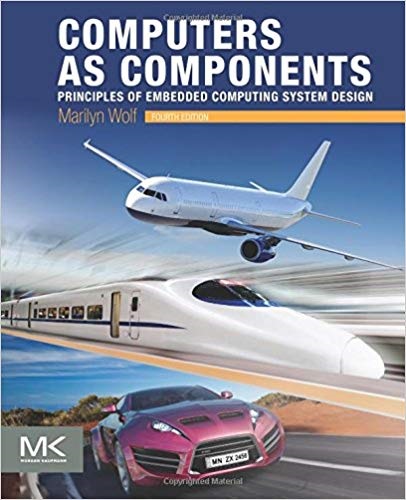
COMPUTERS AS COMPONENTS:PRINCIPLES OF EMBEDDED COMPUTING SYSTEM DESIGN 4/E
作者:
WOLF
分類:
參考•考試•教科書
/
大專學院教科書
出版社:
全華圖書
出版日期:2018/8/13
ISBN:9780128053874
書籍編號:kk0475522
頁數:568
定價:
1800
元
書價若有異動,以出版社實際定價為準
訂購後立即為您進貨
訂購後立即為您進貨:目前無庫存量,讀者下訂後,開始進入調書程序,一般天數約為2-10工作日(不含例假日)。
團購數最低為 20 本以上
評價數:
(請將滑鼠移至星星處進行評價)
目前平均評價:
文字連結
複製語法
<a href='https://www.silkbook.com/book_detail.asp?goods_ser=kk0475522'>COMPUTERS AS COMPONENTS:PRINCIPLES OF EMBEDDED COMPUTING SYSTEM DESIGN 4/E</a>
圖片連結
複製語法
<a href='https://www.silkbook.com/book_detail.asp?goods_ser=kk0475522'><img src='https://www.silkbook.com/mall_image/bk/kk0475522.jpg' ALT='COMPUTERS AS COMPONENTS:PRINCIPLES OF EMBEDDED COMPUTING SYSTEM DESIGN 4/E' height='120' width='90'></a>
分
享
內容簡介
書籍目錄
同類推薦
COMPUTERS AS COMPONENTS:PRINCIPLES OF EMBEDDED COMPUTING SYSTEM DESIGN 4/E 本書特色 .Uses real processors to demonstrate both technology and techniques .Shows readers how to apply principles to actual design practice .Stresses necessary fundamentals that can be applied to evolving technologies and helps readers gain facility to design large, complex embedded systems .Covers the design of Internet-of-Things (IoT) devices and systems, including applications, devices, and communication systems and databases .Introduces concepts of safety and security in embedded systems .Includes new chapter on Automotive and Aerospace Systems .Describes wireless communication standards such as BluetoothR and ZigBeeR 內容簡介 Computers as Components: Principles of Embedded Computing System Design, Fourth Edition, continues to focus on foundational content in embedded systems technology and design while introducing new content on security and safety, the design of Internet-of-Things devices and systems, and wireless communications standards like Bluetooth and ZigBee
目錄 Dedication Foreword to the First Edition Preface to the First Edition Preface to the Second Edition Preface to the Third Edition Preface to the Fourth Edition Ch1: Embedded Computing 1.1. Introduction 1.2. Complex systems and microprocessors 1.3. The embedded system design process 1.4. Design example: model train controller 1.5. A guided tour of this book 1.6. Summary What we learned Further reading Ch2: Instruction Sets 2.1. Introduction 2.2. Preliminaries 2.3. ARM processor 2.4. PICmicro midrange family 2.5. TI C55x DSP 2.6. TI C64x 2.7. Summary What we learned Further reading Ch3: CPUs 3.1. Introduction 3.2. Programming input and output 3.3. Supervisor mode, exceptions, and traps 3.4. Coprocessors 3.5. Memory system mechanisms 3.6. CPU performance 3.7. CPU power consumption 3.8. Safety and security 3.9. Design example: data compressor 3.10. Summary What we learned Further reading Ch4: Computing Platforms 4.1. Introduction 4.2. Basic computing platforms 4.3. The CPU bus 4.4. Memory devices and systems 4.5. Designing with computing platforms 4.6. Consumer electronics architecture 4.7. Platform-level performance analysis 4.8. Platform-level power management 4.9. Design example: alarm clock 4.10. Design example: audio player 4.11. Summary What we learned Further reading Ch5: Program Design and Analysis 5.1. Introduction 5.2. Components for embedded programs 5.3. Models of programs 5.4. Assembly, linking, and loading 5.5. Compilation techniques 5.6. Program-level performance analysis 5.7. Software performance optimization 5.8. Program-level energy and power analysis and optimization 5.9. Analysis and optimization of program size 5.10. Program validation and testing 5.11. Safety and security 5.12. Design example: software modem 5.13. Design example: digital still camera 5.14. Summary What we learned Further reading Ch6: Processes and Operating Systems 6.1. Introduction 6.2. Multiple tasks and multiple processes 6.3. Multirate systems 6.4. Preemptive real-time operating systems 6.5. Priority-based scheduling 6.6. Interprocess communication mechanisms 6.7. Evaluating operating system performance 6.8. Example real-time operating systems 6.9. Design example: telephone answering machine 6.10. Design example: engine control unit 6.11. Summary What we learned Further reading Ch7: System Design Techniques 7.1. Introduction 7.2. Design methodologies 7.3. Requirements analysis 7.4. Specifications 7.5. System analysis and architecture design 7.6. Dependability, safety, and security 7.7. Summary What we learned Further reading Ch8: Internet-of-Things Systems 8.1. Introduction 8.2. IoT system applications 8.3. IoT system architectures 8.4. Networks for IoT 8.5. Databases and timewheels 8.6. Example: smart home 8.7. Summary What we learned Further reading Ch9: Automotive and Aerospace Systems 9.1. Introduction 9.2. Networked control systems in cars and airplanes 9.3. Vehicular networks 9.4. Safety and security 9.5. Summary What we learned Further reading Ch10: Embedded Multiprocessors 10.1. Introduction 10.2. Why multiprocessors? 10.3. Categories of multiprocessors 10.4. MPSOCs and shared memory multiprocessors 10.5. Design example: video accelerator 10.6. Application example: optical disk 10.7. Summary What we learned Further reading Glossary References Index
新編環境毒物學(第二
生活科技(第六版)
內外科護理技術(第十
Java程式設計入門
現代商用英文──書信
醫療急救(第二版)
空氣汙染防制:理論及
綠色能源科技(第六版
新編毛詩韻讀(第四版
基本護理學總複習─心
為了保障您的權益,新絲路網路書店所購買的商品均享有到貨七天的鑑賞期(含例假日)。退回之商品必須於鑑賞期內寄回(以郵戳或收執聯為憑),且商品必須是全新狀態與完整包裝(商品、附件、內外包裝、隨貨文件、贈品等),否則恕不接受退貨。