登入
|
註冊
|
會員中心
|
結帳
|
培訓課程
魔法弟子
|
自資出版
|
電子書
|
客服中心
|
智慧型立体會員
書名
出版社
作者
isbn
編號
5050魔法眾籌
|
NG書城
|
國際級品牌課程
|
優惠通知
|
霹靂英雄音樂精選
|
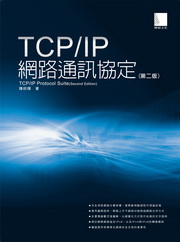
TCP/IP網路通訊協定(第二版)
此作者無相關書籍
文學小說
文學
|
小說
商管創投
財經投資
|
行銷企管
人文藝坊
宗教、哲學
社會、人文、史地
藝術、美學
|
電影戲劇
勵志養生
醫療、保健
料理、生活百科
教育、心理、勵志
進修學習
電腦與網路
|
語言工具
雜誌、期刊
|
軍政、法律
參考、考試、教科用書
科學工程
科學、自然
|
工業、工程
家庭親子
家庭、親子、人際
青少年、童書
玩樂天地
旅遊、地圖
|
休閒娛樂
漫畫、插圖
|
限制級
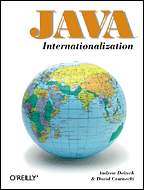
Java Internationalization
作者:
Andy Deitsch & David Czarnecki
分類:
電腦與網路
/
網路
出版社:
美商歐萊禮英文書
出版日期:2001/3/1
ISBN:0596000197
書籍編號:bu0027854
頁數:451
定價:
1400
元
書價若有異動,以出版社實際定價為準
暫停販售
暫無供應商:尋找供貨商中(也有可能出版社已結束)。
團購數最低為 20 本以上
評價數:
(請將滑鼠移至星星處進行評價)
目前平均評價:
文字連結
複製語法
<a href='https://www.silkbook.com/book_detail.asp?goods_ser=bu0027854'>Java Internationalization</a>
圖片連結
複製語法
<a href='https://www.silkbook.com/book_detail.asp?goods_ser=bu0027854'><img src='https://www.silkbook.com/mall_image/bk/bu0027854.jpg' ALT='Java Internationalization' height='120' width='90'></a>
分
享
內容簡介
同類推薦
<u><b><font color="#aa0000">內容簡介</font></b></u> <font color=#3366cc> On the Internet, there are almost no barriers against international commerce. Except for language. Unfortunately, most software is still written in English. Java Internationalization shows how to write software that is truly multi-lingual, using Unicode, a standard system that supports hundreds of character sets, which are applicable for most modern languages and many ancient ones. English-only software is already obsolete. Java Internationalization brings Java developers up to speed on the new generation of software development: writing software that is no longer limited by language boundaries. This book explores Java Unicode and provides concrete examples for using its features to create multilingual user interfaces; to correctly format currency, dates and times; and to ensure font support for different languages. <u><b><font color="#aa0000">目錄</font></b></u> <font color=#3366cc> <b>Preface</b> <b>1. Introduction to Internationalization</b> What Are Software Internationalization, Localization, and Globalization? Why Choose Java for International Applications? What is a Locale? A Simple Application <b>2. Writing Systems</b> Ancient Writing Systems Far East Writing Systems Bidirectional Scripts Greek, Latin, and Cyrillic Indic Scripts Thai Script Punctuation <b>3. Locales</b> Defining a Locale Working with the Locale Class Querying for Locale Information Checking Available Locales <b>4. Isolating Locale-Specific Data with Resource Bundles</b> Why Use Resource Bundles? The ResourceBundle Class How Resource Bundles Are Discovered and Named Property Resource Bundles List Resource Bundles Resource Bundle Caveats Deploying Resource Bundles with Applets Design Considerations for Resource Bundles <b>5. Formatting Messages</b> Date and Time Formats Number Formats Message Formats <b>6. Character Sets and Unicode</b> What Are Character Sets? What Are Encoding Methods? What Is Unicode? Unicode Encoding Methods Code Set Conversion <b>7. Searching, Sorting, and Text Boundary Detection</b> Collation Issues Sorting in Java Tailoring Collation Improving Performance Searching Detecting Text Boundaries <b>8. Fonts and Text Rendering</b> Characters, Glyphs, and Fonts Java𠏋 Font-Related Classes Components for Rendering Complex Text TrueType Font Support in Java Working with the font.properties File Adding New Fonts to Your System <b>9. Internationalized Graphical User Interfaces</b> General Issues Component Orientation Internationalization and Localization Caveats for Various Components Using a Layout Manager Copying, Cutting, and Pasting International Text A Simple Example <b>10. Input Methods</b> What Are Input Methods? What Is the Java Input Method Framework? Selecting Input Methods Using the Input Method Engine SPI Developing a Simple Input Method How to Package and Install Input Methods Developing a More Complex Input Method <b>11. Internationalized Web Applications</b> Applets Servlets JavaServer Pages <b>12. Future Enhancements to the Internationalization</b> Support in Java Unicode 3.0 Support Enhanced Complex Text Character Converter Framework Improving the Input Method Framework <b>A. Language and Country Codes</b> <b>B. Character Encodings Supported by Java</b> <b>C. Unicode Character Blocks</b> <b>D. Programmer𠏋 Quick Reference</b> <b>E. Internationalization Enhancements</b> <b>Across Versions of the JDK</b> <b>Glossary</b> <b>Bibliography</b> <b>Index</b> <u><b><font color="#aa0000">作者簡介</font></b></u> <font color=#3366cc> <font color=purple>David Czarnecki </font> David Czarnecki is a computer scientist in the Internet and Software Technology Laboratory at the GE Corporate Research and Development Center in Niskayuna, NY. He is involved with various e-commerce initiatives and projects, and in recent months has become increasingly involved in providing expertise on how to properly internationalize software. David holds both B.S and M.S. degrees in computer science. <font color=purple>Andy Deitsch </font> Andy Deitsch is a software engineer who manages an e-business group at GE's Corporate Research and Development Center. Andy was fortunate enough to be involved in the beta release of Java in 1995 and has been programming in the language ever since. The inspiration for this book came from his efforts to use Java effectively to build internationalized applications and his frustrations in not finding any books related to this important topic.
多媒體設計的 13
混合雲安全架構|零信
電子商務與ChatG
WordPress
建構多租戶SaaS架
Docker建置與執
網站擷取|使用Pyt
想要 SSR?快使用
解密搜尋引擎:分詞技
圖解雲端運算|概念、
為了保障您的權益,新絲路網路書店所購買的商品均享有到貨七天的鑑賞期(含例假日)。退回之商品必須於鑑賞期內寄回(以郵戳或收執聯為憑),且商品必須是全新狀態與完整包裝(商品、附件、內外包裝、隨貨文件、贈品等),否則恕不接受退貨。