登入
|
註冊
|
會員中心
|
結帳
|
培訓課程
魔法弟子
|
自資出版
|
電子書
|
客服中心
|
智慧型立体會員
書名
出版社
作者
isbn
編號
5050魔法眾籌
|
NG書城
|
國際級品牌課程
|
優惠通知
|
霹靂英雄音樂精選
|
生產計劃的規劃與與執行
此作者無相關書籍
文學小說
文學
|
小說
商管創投
財經投資
|
行銷企管
人文藝坊
宗教、哲學
社會、人文、史地
藝術、美學
|
電影戲劇
勵志養生
醫療、保健
料理、生活百科
教育、心理、勵志
進修學習
電腦與網路
|
語言工具
雜誌、期刊
|
軍政、法律
參考、考試、教科用書
科學工程
科學、自然
|
工業、工程
家庭親子
家庭、親子、人際
青少年、童書
玩樂天地
旅遊、地圖
|
休閒娛樂
漫畫、插圖
|
限制級
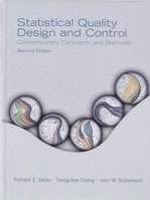
Statistical Quality Design and Control:Contemporary Concepts and Methods(2版)
作者:
DeVor
分類:
行銷企管
/
生產與品質管理
叢書系列:品質管制
出版社:
華泰文化
出版日期:2006/9/5
ISBN:0130413445
書籍編號:kk0159959
頁數:942
定價:
1120
元
書價若有異動,以出版社實際定價為準
暫停販售
暫無供應商:尋找供貨商中(也有可能出版社已結束)。
團購數最低為 20 本以上
評價數:
(請將滑鼠移至星星處進行評價)
目前平均評價:
文字連結
複製語法
<a href='https://www.silkbook.com/book_detail.asp?goods_ser=kk0159959'>Statistical Quality Design and Control:Contemporary Concepts and Methods(2版)</a>
圖片連結
複製語法
<a href='https://www.silkbook.com/book_detail.asp?goods_ser=kk0159959'><img src='https://www.silkbook.com/mall_image/bk/kk0159959.jpg' ALT='Statistical Quality Design and Control:Contemporary Concepts and Methods(2版)' height='120' width='90'></a>
分
享
內容簡介
同類推薦
<b><font color="#aa0000">內容簡介</font></b> Emphasizing proper methods for data collection, control chart construction and interpretation, and fault diagnosis for process improvement, this text blends statistical process control (SPC) and design of experiments (DOE) concepts and methods for quality design and improvement. Importance is placed on both the philosophical/conceptual underpinnings and the techniques and methods of SPC and DOE. The concepts and methods of Taguchi for quality design are combined with more traditional experimental design methods to promote the importance of viewing quality from an engineering design perspective. Features 1.Features a blend of statistical process control (SPC) and design of experiments (DOE) concepts and methods for quality design and improvement. 2.Places particularly strong emphasis on proper methods for data collection, control chart construction and interpretation, and fault diagnosis for process improvement. 3.Provides careful explanations, using actual cases, of the relationship between quality intent through engineering design and its realization through manufacture. 4.Computer workshops and the associated software provided with the book allow readers to simulate processes and apply the methods presented to solve problems. New To This Edition 1.Several new chapters: Design and Analysis of Engineering Tolerances Design and Analysis of Simple Comparative Experiments Response Surface Methodology. 2.An updated perspective on the state of quality since 1990. 3.New case studies 4.Three new DOE computer workshops on factorial design, fractional factorial design, and response surface methodology. 5.40% new or revised homework problems
輝瑞登月任務:拯救人
疫苗商戰:新冠危機下
跳脫建構陷阱:產品管
智能製造與品管運作
Principles
直擊工廠生產線!透鏡
APIS:先進生產改
麥肯錫都用這8招做到
超好懂商業入門 生產
超好懂商業入門:品質
為了保障您的權益,新絲路網路書店所購買的商品均享有到貨七天的鑑賞期(含例假日)。退回之商品必須於鑑賞期內寄回(以郵戳或收執聯為憑),且商品必須是全新狀態與完整包裝(商品、附件、內外包裝、隨貨文件、贈品等),否則恕不接受退貨。