登入
|
註冊
|
會員中心
|
結帳
|
培訓課程
魔法弟子
|
自資出版
|
電子書
|
客服中心
|
智慧型立体會員
書名
出版社
作者
isbn
編號
5050魔法眾籌
|
NG書城
|
國際級品牌課程
|
優惠通知
|
霹靂英雄音樂精選
|
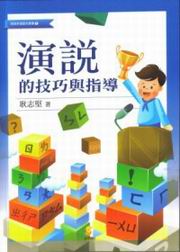
演說的技巧與指導
.
Vocabulary
文學小說
文學
|
小說
商管創投
財經投資
|
行銷企管
人文藝坊
宗教、哲學
社會、人文、史地
藝術、美學
|
電影戲劇
勵志養生
醫療、保健
料理、生活百科
教育、心理、勵志
進修學習
電腦與網路
|
語言工具
雜誌、期刊
|
軍政、法律
參考、考試、教科用書
科學工程
科學、自然
|
工業、工程
家庭親子
家庭、親子、人際
青少年、童書
玩樂天地
旅遊、地圖
|
休閒娛樂
漫畫、插圖
|
限制級
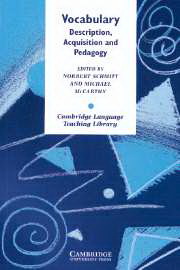
Vocabulary
作者:
Schmitt
分類:
語言工具
/
綜論
出版社:
劍橋大學出版社
出版日期:1998/1/1
ISBN:0521585511
書籍編號:kk0208901
頁數:393
定價:
1000
元
書價若有異動,以出版社實際定價為準
暫停販售
暫無供應商:尋找供貨商中(也有可能出版社已結束)。
團購數最低為 20 本以上
評價數:
(請將滑鼠移至星星處進行評價)
目前平均評價:
文字連結
複製語法
<a href='https://www.silkbook.com/book_detail.asp?goods_ser=kk0208901'>Vocabulary</a>
圖片連結
複製語法
<a href='https://www.silkbook.com/book_detail.asp?goods_ser=kk0208901'><img src='https://www.silkbook.com/mall_image/bk/kk0208901.jpg' ALT='Vocabulary' height='120' width='90'></a>
分
享
內容簡介
同類推薦
<b><font color="#aa0000">內容簡介</font></b> This volume examines the area of second language vocabulary studies from three broad perspectives: description, acquisition and pedagogical context. The book's fifteen chapters are grouped together to achieve a balance between descriptions of what vocabulary is and how it behaves, how the mind learns new vocabulary and then uses it when it is learned, and pedagogical issues of teaching and testing L2 vocabulary. Some of the specific topics addressed in these three general areas include: - word frequency and vocabulary size.
閱讀臺灣,學華語 新
全方位英文標點符號指
外語腦升級革命
成語典(增訂四版)
漢語語音發展史:歷史
法漢進階翻譯
有讀有保庇,金榜就題
英語的故事
一定要看的真文法:貫
讀李家同學英文6:李
為了保障您的權益,新絲路網路書店所購買的商品均享有到貨七天的鑑賞期(含例假日)。退回之商品必須於鑑賞期內寄回(以郵戳或收執聯為憑),且商品必須是全新狀態與完整包裝(商品、附件、內外包裝、隨貨文件、贈品等),否則恕不接受退貨。