登入
|
註冊
|
會員中心
|
結帳
|
培訓課程
魔法弟子
|
自資出版
|
電子書
|
客服中心
|
智慧型立体會員
書名
出版社
作者
isbn
編號
5050魔法眾籌
|
NG書城
|
國際級品牌課程
|
優惠通知
|
霹靂英雄音樂精選
|
ELEMENTARY STATISTICS:A STEP BY STEP APPROACH 5/E (A BRIEF VERSION)(IE)
此作者無相關書籍
文學小說
文學
|
小說
商管創投
財經投資
|
行銷企管
人文藝坊
宗教、哲學
社會、人文、史地
藝術、美學
|
電影戲劇
勵志養生
醫療、保健
料理、生活百科
教育、心理、勵志
進修學習
電腦與網路
|
語言工具
雜誌、期刊
|
軍政、法律
參考、考試、教科用書
科學工程
科學、自然
|
工業、工程
家庭親子
家庭、親子、人際
青少年、童書
玩樂天地
旅遊、地圖
|
休閒娛樂
漫畫、插圖
|
限制級
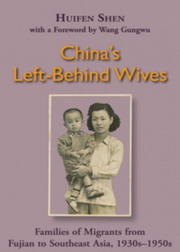
China’s Left-Behind Wives
作者:
Huifen Shen; With a Foreword by Wang Gungwu
分類:
外文書籍
/
綜論
出版社:
香港中文大學
出版日期:2012/8/1
ISBN:9789888139781
書籍編號:kk0334479
頁數:259
定價:
880
元
優惠價:
95
折
836
元
書價若有異動,以出版社實際定價為準
訂購後立即為您進貨
訂購後立即為您進貨:目前無庫存量,讀者下訂後,開始進入調書程序,一般天數約為2-10工作日(不含例假日)。
團購數最低為 20 本以上
評價數:
(請將滑鼠移至星星處進行評價)
目前平均評價:
文字連結
複製語法
<a href='https://www.silkbook.com/book_detail.asp?goods_ser=kk0334479'>China’s Left-Behind Wives</a>
圖片連結
複製語法
<a href='https://www.silkbook.com/book_detail.asp?goods_ser=kk0334479'><img src='https://www.silkbook.com/mall_image/bk/kk0334479.jpg' ALT='China’s Left-Behind Wives' height='120' width='90'></a>
分
享
內容簡介
同類推薦
China's Left-Behind Wives In China's Left-Behind Wives, Huifen Shen tells the extraordinary story of an often overlooked group of women who played an important role in one of the largest waves of migration in history. For roughly a century starting around 1850, large numbers of young men from southern China travelled to Southeast Asia in search of work. Some were married and others returned to marry, but they routinely left their wives in China to handle family affairs. Drawing on in-depth interviews, archival materials, local gazetteers, newspapers and periodicals, the author describes the experiences of left-behind wives in the Quanzhou region of Fujian from the 1930s to the 1950s, a time when war and political change caused customary practices to break down. Migrant marriages were nearly always arranged, and girls rarely met their husbands before the wedding. Normally a bride lived with her new husband for just a few weeks or months, after which he went abroad. The circumstances in the 1940s and 1950s were such that many of these young women rarely, or never, saw their husbands again. When the Pacific War cut off communications, the loss of remittance money meant that they faced a difficult struggle for survival. The war's end brought a brief respite, but the communist ascendency led to further difficult adjustments. Ultimately, the experiences of the leftbehind wives drew them into public life and business, and as Overseas Chinese policies, and attitudes towards women, changed in China, they came to play an increasingly significant part in the processes of development and modernization.
Drucker on
Financial
Wittgenste
The Mingji
Memories o
Bound Feet
A Medical
Prism Read
Prism Read
Prism Read
為了保障您的權益,新絲路網路書店所購買的商品均享有到貨七天的鑑賞期(含例假日)。退回之商品必須於鑑賞期內寄回(以郵戳或收執聯為憑),且商品必須是全新狀態與完整包裝(商品、附件、內外包裝、隨貨文件、贈品等),否則恕不接受退貨。