登入
|
註冊
|
會員中心
|
結帳
|
培訓課程
魔法弟子
|
自資出版
|
電子書
|
客服中心
|
智慧型立体會員
書名
出版社
作者
isbn
編號
5050魔法眾籌
|
NG書城
|
國際級品牌課程
|
優惠通知
|
霹靂英雄音樂精選
|
中外歷史大事酷搜本
此作者無相關書籍
文學小說
文學
|
小說
商管創投
財經投資
|
行銷企管
人文藝坊
宗教、哲學
社會、人文、史地
藝術、美學
|
電影戲劇
勵志養生
醫療、保健
料理、生活百科
教育、心理、勵志
進修學習
電腦與網路
|
語言工具
雜誌、期刊
|
軍政、法律
參考、考試、教科用書
科學工程
科學、自然
|
工業、工程
家庭親子
家庭、親子、人際
青少年、童書
玩樂天地
旅遊、地圖
|
休閒娛樂
漫畫、插圖
|
限制級
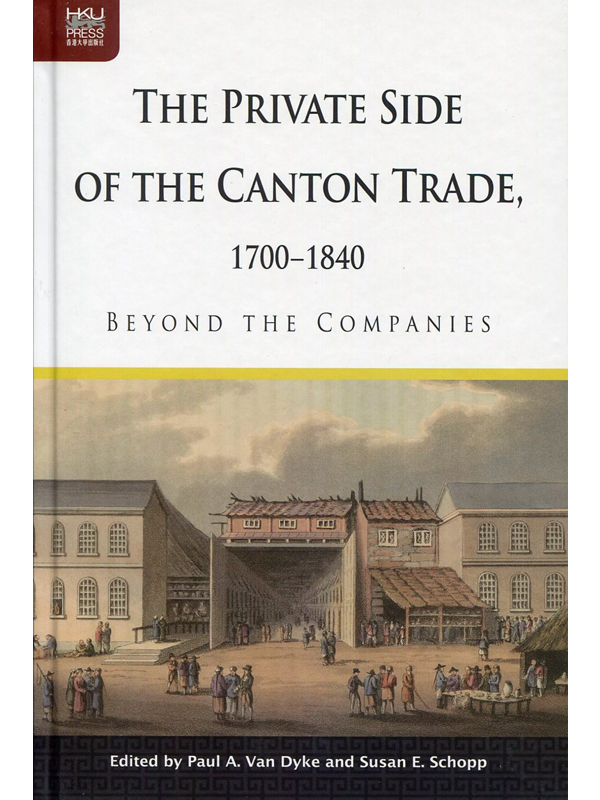
The Private Side of the Canton Trade, 1700-1840:Beyond the Companies
作者:
Paul A. Van Dyke , Susan E. Schopp
分類:
社會•人文•史地
/
歷史地理
出版社:
香港大學出版社
出版日期:2018/7/20
ISBN:9789888390939
書籍編號:kk0470494
頁數:208
定價:
2030
元
優惠價:
88
折
1786
元
書價若有異動,以出版社實際定價為準
訂購後立即為您進貨
訂購後立即為您進貨:目前無庫存量,讀者下訂後,開始進入調書程序,一般天數約為2-10工作日(不含例假日)。
團購數最低為 20 本以上
評價數:
(請將滑鼠移至星星處進行評價)
目前平均評價:
文字連結
複製語法
<a href='https://www.silkbook.com/book_detail.asp?goods_ser=kk0470494'>The Private Side of the Canton Trade, 1700-1840:Beyond the Companies</a>
圖片連結
複製語法
<a href='https://www.silkbook.com/book_detail.asp?goods_ser=kk0470494'><img src='https://www.silkbook.com/mall_image/bk/kk0470494.jpg' ALT='The Private Side of the Canton Trade, 1700-1840:Beyond the Companies' height='120' width='90'></a>
分
享
內容簡介
作者介紹
同類推薦
The Private Side of the Canton Trade, 1700-1840:Beyond the Companies 內容簡介 It is not often recognized that China was one of the few places in the early modern world where all merchants had equal access to the market. This study shows that private traders, regardless of the volume of their trade, were granted the same privileges in Canton as the large East India companies. All of these companies relied, to some extent, on private capital to finance their operations. Without the investments from individuals, the trade with China would have been greatly hindered. Competitors, large and small, traded alongside each other while enemies traded alongside enemies. Buddhists, Muslims, Catholics, Protestants, Parsees, Armenians, Hindus, and others lived and worked within the small area in the western suburbs of Canton designated for foreigners. Cantonese shopkeepers were not allowed to discriminate against any foreign traders. In fact, the shopkeepers were generally working in a competitive environment, providing customer-oriented service that generated goodwill, friendship, and trust. These contributed to the growth of the trade as a whole. While many private traders were involved in smuggling opium, others, such as Nathan Dunn, were much opposed to it. The case studies in this volume demonstrate that fortunes could be made in China by trading in legitimate items just as successfully as in illegitimate ones, which tellingly suggests that the rapid spread of opium smuggling in China could be a result of inadequate, rather than excessive, regulation by the Qing government.
海上之道:那些島嶼間
記憶的紐帶:台灣的歷
洋風和魂【暢銷珍藏版
【鐵道圖鑑最齊全】世
錦衣衛:紅蟒、飛魚、
誰決定割讓臺灣?:《
幸福尋味.永恆春日
名師開講高中歷史小事
最後的天空:臺灣政治
中國歷史新解
為了保障您的權益,新絲路網路書店所購買的商品均享有到貨七天的鑑賞期(含例假日)。退回之商品必須於鑑賞期內寄回(以郵戳或收執聯為憑),且商品必須是全新狀態與完整包裝(商品、附件、內外包裝、隨貨文件、贈品等),否則恕不接受退貨。