登入
|
註冊
|
會員中心
|
結帳
|
培訓課程
魔法弟子
|
自資出版
|
電子書
|
客服中心
|
智慧型立体會員
書名
出版社
作者
isbn
編號
5050魔法眾籌
|
NG書城
|
國際級品牌課程
|
優惠通知
|
霹靂英雄音樂精選
|
TCP/IP網路通訊協定(第二版)
此作者無相關書籍
文學小說
文學
|
小說
商管創投
財經投資
|
行銷企管
人文藝坊
宗教、哲學
社會、人文、史地
藝術、美學
|
電影戲劇
勵志養生
醫療、保健
料理、生活百科
教育、心理、勵志
進修學習
電腦與網路
|
語言工具
雜誌、期刊
|
軍政、法律
參考、考試、教科用書
科學工程
科學、自然
|
工業、工程
家庭親子
家庭、親子、人際
青少年、童書
玩樂天地
旅遊、地圖
|
休閒娛樂
漫畫、插圖
|
限制級
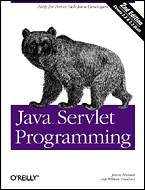
Java Servlet Programming, 2nd Edition
作者:
Jason Hunter with William Crawford
分類:
電腦與網路
/
網路
出版社:
美商歐萊禮英文書
出版日期:2001/4/1
ISBN:0596000405
書籍編號:bu0027856
頁數:780
定價:
1580
元
書價若有異動,以出版社實際定價為準
暫停販售
暫無供應商:尋找供貨商中(也有可能出版社已結束)。
團購數最低為 20 本以上
評價數:
(請將滑鼠移至星星處進行評價)
目前平均評價:
文字連結
複製語法
<a href='https://www.silkbook.com/book_detail.asp?goods_ser=bu0027856'>Java Servlet Programming, 2nd Edition</a>
圖片連結
複製語法
<a href='https://www.silkbook.com/book_detail.asp?goods_ser=bu0027856'><img src='https://www.silkbook.com/mall_image/bk/bu0027856.jpg' ALT='Java Servlet Programming, 2nd Edition' height='120' width='90'></a>
分
享
內容簡介
同類推薦
<u><b><font color="#aa0000">內容簡介</font></b></u> <font color=#3366cc> Servlets are an exciting and important technology that ties Java to the Web, allowing programmers to write Java programs that create dynamic web content. Java Servlet Programming, 2nd Edition, covers everything Java developers need to know to write effective servlets. It explains the servlet lifecycle, showing how to use servlets to maintain state information effortlessly. It also describes how to serve dynamic web content, including both HTML pages and multimedia data, and explores more advanced topics like integrated session tracking, efficient database connectivity using JDBC, applet-servlet communicaton, interservlet communication, and internationalization. Readers can use the book's numerous real-world examples as the basis for their own servlets. The second edition has been completely updated to cover the new features of Version 2.2 of the Java Servlet API. It introduces chapters on servlet security and advanced communication, and also introduces several popular tools for easier integration of servlet technology with dynamic web pages. These tools include JavaServer Pages (JSP), Tea, XMLC, and the Element Construction Set. In addition to complete coverage of 2.2 specification, Java Servlet programming, 2nd Edition, also contains coverage of the new 2.3 final draft specification. <u><b><font color="#aa0000">目錄</font></b></u> <font color=#3366cc> <b>1. Introduction</b> History of Web Applications Support for Servlets The Power of Servlets <b>2. HTTP Servlet Basics</b> HTTP Basics The Servlet API Page Generation Web Applications Moving On <b>3. The Servlet Lifecycle</b> The Servlet Alternative Servlet Reloading Init and Destroy Single-Thread Model Background Processing Load on Startup Client-Side Caching Server-Side Caching <b>4. Retrieving Information</b> The Servlet The Server The Client <b>5. Sending HTML Information</b> The Structure of a Response Sending a Normal Response Using Persistent Connections Response Buffering Status Codes HTTP Headers When Things Go Wrong Six Ways to Skin a Servlet Cat <b>6. Sending Multimedia Content</b> WAP and WML Images Compressed Content Server Push <b>7. Session Tracking</b> User Authentication Hidden Form Fields URL Rewriting Persistent Cookies The Session Tracking API <b>8. Security</b> HTTP Authentication Form-Based Authentication Custom Authentication Digital Certificates Secure Sockets Layer (SSL) <b>9. Database Connectivity</b> Relational Databases The JDBC API Reusing Database Objects Transactions A Guestbook Servlet Advanced JDBC Techniques Beyond the Core <b>10. Applet-Servlet Communication</b> Communication Options Daytime Server Chat Server <b>11. Servlet Collaboration</b> Sharing Information Sharing Control <b>12. Enterprise Servlets and J2EE</b> Distributing Load Integrating with J2EE <b>13. Internationalization</b> Western European Languages Conforming to Local Customs Non-Western European Languages Multiple Languages Dynamic Language Negotiation HTML Forms <b>14. The Tea Framework</b> The Tea Language Getting Started Request Information Tea Administration Tea Applications A Tool Application Final Words <b>15. WebMacro</b> The WebMacro Framework Installing WebMacro WebMacro Directives WebMacro Templates A Tool Application Filters <b>16. Element Construction Set</b> Page Components as Objects Displaying a Result Set <b>17. XMLC</b> A Simple XML Compile The Manipulation Class A Tool Application <b>18. JavaServer Pages</b> Using JavaServer Pages Behind the Scenes Expressions and Declarations Directives JSP and JavaBeans Includes and Forwards A Tool Application Custom Tag Libraries <b>19. Odds and Ends</b> Parsing Parameters Sending Email Using Regular Expressions Executing Programs Using Native Methods Acting as an RMI Client Debugging Performance Tuning <b>20. What's New in the Servlet 2.3 API</b> Changes in the Servlet API 2.3 Conclusion <b>A. Servlet API Quick Reference</b> <b>B. HTTP Servlet API Quick Reference</b> <b>C. Deployment Descriptor DTD Reference</b> <b>D. HTTP Status Codes</b> <b>E. Character Entities</b> <b>F. Charsets</b> <b>Index</b> <u><b><font color="#aa0000">作者簡介</font></b></u> <font color=#3366cc> <font color=purple>Jason Hunter </font> Jason Hunter is a Java consultant, speaker, instructor and author. Jason began programming in Java in the summer of 1995 and has concentrated on servlets and related server-extension technologies since December 1996. He has worked at Silicon Graphics, where he was responsible for developing (and breaking) all sorts of web technologies. He is currently chief technology officer for K&A Software, where he specializes in Java training and consulting. <font color=purple>William Crawford </font> William Crawford currently heads the product development team at Invantage, Inc., a Cambridge, MA, company developing Java-based intranet tools for the pharmaceutical industry.
電腦網路原理|第七版
多媒體設計的 13
混合雲安全架構|零信
電子商務與ChatG
WordPress
建構多租戶SaaS架
Docker建置與執
網站擷取|使用Pyt
想要 SSR?快使用
解密搜尋引擎:分詞技
為了保障您的權益,新絲路網路書店所購買的商品均享有到貨七天的鑑賞期(含例假日)。退回之商品必須於鑑賞期內寄回(以郵戳或收執聯為憑),且商品必須是全新狀態與完整包裝(商品、附件、內外包裝、隨貨文件、贈品等),否則恕不接受退貨。