登入
|
註冊
|
會員中心
|
結帳
|
培訓課程
魔法弟子
|
自資出版
|
電子書
|
客服中心
|
智慧型立体會員
書名
出版社
作者
isbn
編號
5050魔法眾籌
|
NG書城
|
國際級品牌課程
|
優惠通知
|
霹靂英雄音樂精選
|
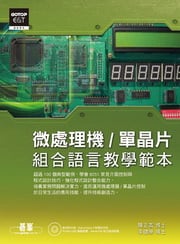
微處理機/單晶片組合語言教學範本(附CD)
.
Financial
.
Economics
文學小說
文學
|
小說
商管創投
財經投資
|
行銷企管
人文藝坊
宗教、哲學
社會、人文、史地
藝術、美學
|
電影戲劇
勵志養生
醫療、保健
料理、生活百科
教育、心理、勵志
進修學習
電腦與網路
|
語言工具
雜誌、期刊
|
軍政、法律
參考、考試、教科用書
科學工程
科學、自然
|
工業、工程
家庭親子
家庭、親子、人際
青少年、童書
玩樂天地
旅遊、地圖
|
休閒娛樂
漫畫、插圖
|
限制級
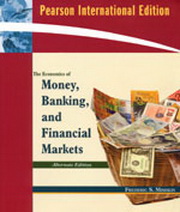
The Economics of Money, Banking and Financial Markets (Alternate Edition)
作者:
Mishkin
分類:
參考•考試•教科書
/
大專學院教科書
出版社:
華泰文化
出版日期:2007/1/1
ISBN:0321565185
書籍編號:kk0212442
頁數:768
定價:
1100
元
書價若有異動,以出版社實際定價為準
暫停販售
暫無供應商:尋找供貨商中(也有可能出版社已結束)。
團購數最低為 20 本以上
評價數:
(請將滑鼠移至星星處進行評價)
目前平均評價:
文字連結
複製語法
<a href='https://www.silkbook.com/book_detail.asp?goods_ser=kk0212442'>The Economics of Money, Banking and Financial Markets (Alternate Edition)</a>
圖片連結
複製語法
<a href='https://www.silkbook.com/book_detail.asp?goods_ser=kk0212442'><img src='https://www.silkbook.com/mall_image/bk/kk0212442.jpg' ALT='The Economics of Money, Banking and Financial Markets (Alternate Edition)' height='120' width='90'></a>
分
享
內容簡介
同類推薦
<b><font color="#aa0000">內容簡介</font></b> By applying an analytical framework to the patient, stepped-out development of models, Frederic Mishkin draws students into a deeper understanding of modern monetary theory, banking, and policy. His landmark combination of common sense applications with current, real-world events provides authoritative, comprehensive coverage in an informal tone students appreciate. Mishkin’s previous post as Executive Vice President and Director of Research at the Federal Reserve Bank of New York lends an insiders-view that helps to demystify this key institution for students. This Alternate Edition of The Economics of Money, Banking, and Financial Markets is the ideal choice for courses with limited emphasis on monetary theory—due to a prerequisite course in intermediate macroeconomics or a business school focus. **New coverage of Conflicts of Interests. Conflicts of Interestsare a growing concern for all those who work and interact with financial institutions. To address this concern a new Chapter 14, Conflicts of Interest in the Financial Industry, discusses what conflicts there are and why we should care. In addition, new Conflicts of Interest boxes, added throughout the text, prompt students to consider the impact and implications of possible conflicts of interest. **Enhanced Coverage of the European Central Bank. Because of the growing interest in the ECB which now conducts monetary policy for a population that exceeds that in the United States, coverage of the structure and independence of the ECB as been added to Chapter 15; monetary policy tools of the ECB has been added to Chapter 18; and a discussion of the ECB’s monetary policy strategy has been added to Chapter 19. **Simplified Discussion of Foreign Exchange. Chapter 19, The Foreign Exchange Market, now describes how exchange rates are determined using a supply and demand framework based on an asset market approach–a framework students find far easier to grasp than the current interest parity model. <b><font color="#aa0000">目錄</font></b> Part I Introduction 1. Why Study Money, Banking, and Financial Markets? 2. An Overview of the Financial System 3. What Is Money? Part II Financial Markets 4. Understanding Interest Rates 5. The Behavior of Interest Rates 6. The Risk and Term Structure of Interest Rates 7. The Stock Market, the Theory of Rational Expectations, and the Efficient Market Hypothesis Part III Financial Institutions 8. An Economic Analysis of Financial Structure 9. Banking and the Management of Financial Institutions 10. Banking Industry: Structure and Competition 11. Economic Analysis of Banking Regulation 12. Nonbank Finance 13. Financial Derivatives 14. Conflicts of Interest in the Financial Industry Part IV Central Banking and the Conduct of Monetary Policy 15. Structure of Central Banks and the Federal Reserve System 16. Multiple Deposit Creation and the Money Supply Process 17. Determinants of the Money Supply 18. Tools of Monetary Policy 19. What Should Central Banks Do? Monetary Policy Goals, Strategy and Tactics Part V International Finance and Monetary Policy 20. The Foreign Exchange Market 21. The International Financial System Part VI Monetary Policy 22. The Demand for Money 23. Aggregate Demand and Supply Analysis 24. Transmission Mechanisms of Monetary Policy: The Evidence 25. Money and Inflation
勞工行政與勞工立法(
圖解傷口護理
物理實驗(第十四版)
個體經濟學──理論與
芳香療法(第五版)
咖啡概論(第二版)
民法概要(第五版)
人員安全與社會責任
HACCP理論與實務
電工法規(第五版)
為了保障您的權益,新絲路網路書店所購買的商品均享有到貨七天的鑑賞期(含例假日)。退回之商品必須於鑑賞期內寄回(以郵戳或收執聯為憑),且商品必須是全新狀態與完整包裝(商品、附件、內外包裝、隨貨文件、贈品等),否則恕不接受退貨。