登入
|
註冊
|
會員中心
|
結帳
|
培訓課程
魔法弟子
|
自資出版
|
電子書
|
客服中心
|
智慧型立体會員
書名
出版社
作者
isbn
編號
5050魔法眾籌
|
NG書城
|
國際級品牌課程
|
優惠通知
|
霹靂英雄音樂精選
|
微處理機/單晶片組合語言教學範本(附CD)
此作者無相關書籍
文學小說
文學
|
小說
商管創投
財經投資
|
行銷企管
人文藝坊
宗教、哲學
社會、人文、史地
藝術、美學
|
電影戲劇
勵志養生
醫療、保健
料理、生活百科
教育、心理、勵志
進修學習
電腦與網路
|
語言工具
雜誌、期刊
|
軍政、法律
參考、考試、教科用書
科學工程
科學、自然
|
工業、工程
家庭親子
家庭、親子、人際
青少年、童書
玩樂天地
旅遊、地圖
|
休閒娛樂
漫畫、插圖
|
限制級
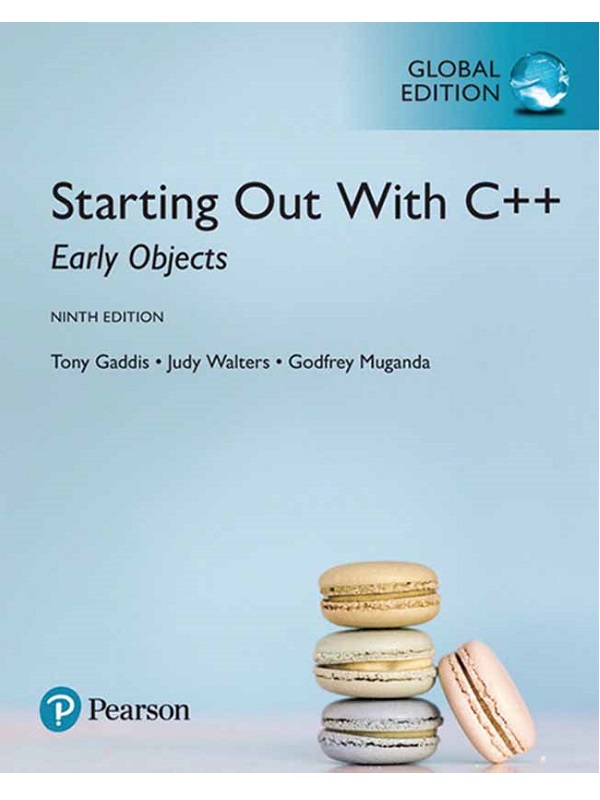
STARTINGOUTWITHC++:EARLYOBJECTS9/E(GE)
作者:
GADDIS、WALTERS、MUGANDA
分類:
參考•考試•教科書
/
大專學院教科書
出版社:
PE
出版日期:2019/5/23
ISBN:9781292157276
書籍編號:kk0499628
頁數:1272
定價:
1380
元
書價若有異動,以出版社實際定價為準
訂購後立即為您進貨
訂購後立即為您進貨:目前無庫存量,讀者下訂後,開始進入調書程序,一般天數約為2-10工作日(不含例假日)。
團購數最低為 20 本以上
評價數:
(請將滑鼠移至星星處進行評價)
目前平均評價:
文字連結
複製語法
<a href='https://www.silkbook.com/book_detail.asp?goods_ser=kk0499628'>STARTINGOUTWITHC++:EARLYOBJECTS9/E(GE)</a>
圖片連結
複製語法
<a href='https://www.silkbook.com/book_detail.asp?goods_ser=kk0499628'><img src='https://www.silkbook.com/mall_image/bk/kk0499628.jpg' ALT='STARTINGOUTWITHC++:EARLYOBJECTS9/E(GE)' height='120' width='90'></a>
分
享
內容簡介
書籍目錄
同類推薦
STARTINGOUTWITHC++:EARLYOBJECTS9/E(GE) 內容簡介 For courses in C++ Programming Fundamentals of C++ for Novices and Experienced Programmers Alike Intended for use in a two-term, three-term, or accelerated one-term C++ programming sequence, this Ninth Edition of Starting Out with C++: Early Objects introduces the fundamentals of C++ to novices and experienced students alike. In clear, easy-to-understand terms, the text introduces all of the necessary topics for beginning C++ programmers. Real-world examples allow students to apply their knowledge in understanding how, why, and when to implement the features of C++. The text is organized in a progressive, step-by-step fashion that allows for flexibility. Building on the popularity of previous editions, the Ninth Edition has been updated and enhanced with new material, including C++11 topics and recent changes in technology. MyProgrammingLab?not included. Students, if MyProgrammingLab is a recommended/mandatory component of the course, please ask your instructor for the correct ISBN and course ID. MyProgrammingLab should only be purchased when required by an instructor. Instructors, contact your Pearson representative for more information. MyProgrammingLabis an online learning system designed to engage students and improve results. MyProgrammingLab consists of a set of programming exercises correlated to the programming concepts in this book and improves the programming competence of beginning students who often struggle with the basic concepts of programming languages. For students, the system automatically detects errors in the logic and syntax of their code submissions and offers targeted hints that enable students to figure out what went wrong. For instructors, a comprehensive gradebook tracks correct and incorrect answers and stores the code inputted by students for review. 新版特色 .C++11 topics have been added to several chapters to support the latest standard version of the C++ language. .UPDATED! Updated material throughout the book reflects changes in technology and software development environments, improves clarity and incorporates best practices in teaching introductory programming. As a result, new graphics and new or redesigned figures have been added throughout the book where appropriate, and new or improved sample programs have been included in a number of chapters. .Includes new sections on literals, random numbers, and enumerated data types, as well as improved material on designing classes. .New Programming Challenge problems have been added to every chapter. .UPDATED! Chapters have been redesigned to improve student learning. Chapter 5 (Looping) has been reorganized to give students more practice using the while loop before introducing do-while and for loops. The Chapter 6 (Functions) material on defining and calling functions has been reorganized to introduce function prototypes earlier and allow main to always be the first function in a file. MyProgrammingLab® not included. Students, if MyProgrammingLab is a recommended/mandatory component of the course, please ask your instructor for the correct ISBN and course ID. MyProgrammingLab should only be purchased when required by an instructor. Instructors, contact your Pearson representative for more information. MyProgrammingLabis an online learning system designed to engage students and improve results. MyProgrammingLab consists of a set of programming exercises correlated to the programming concepts in this book and improves the programming competence of beginning students who often struggle with the basic concepts of programming languages. For students, the system automatically detects errors in the logic and syntax of their code submissions and offers targeted hints that enable students to figure out what went wrong. For instructors, a comprehensive gradebook tracks correct and incorrect answers and stores the code inputted by students for review. .Interactive Practice provides first-hand programming experience in an interactive online environment. .Approximately two-hundred small practice exercises cover topics such as variables, calculations, decision statements, loops, procedures, arrays, and more. .Error Messages for Incorrect Answers give students immediate personalized feedback. The error messages include both the feedback from the compiler and plain English interpretations of likely causes for the incorrect answer. .Step-by-step VideoNote Tutorials enhance the programming concepts presented in your Pearson textbook by allowing students to view the entire problem-solving process outside of the classroom—when they need help the most. .Pearson eText gives students access to their textbook anytime, anywhere. In addition to note taking, highlighting, and bookmarking, the eText offers interactive and sharing features. Rich media options let students watch lecture and example videos as they read or do their homework. Instructors can share their comments or highlights, and students can add their own, creating a tight community of learners in your class. The Pearson eText companion app allows existing subscribers to access their titles on an iPad or Android tablet for either online or offline viewing. .Dynamic grading and assessment provide auto-grading of student assignments, saving you time and offering students immediate learning opportunities: 。A dynamic roster tracks their performance and maintains a record of submissions. 。The color-coded gradebook gives you a quick glance of your classes’ progress. Easily drill down to receive information on a single student’s performance or a specific problem. Gradebook results can be exported to Excel to use with your LMS. 圖書特色與優點: This title is a Pearson Global Edition. The Editorial team at Pearson has worked closely with educators around the world to include content which is especially relevant to students outside the United States. About the Book .NEW! C++11 topics have been added to several chapters to support the latest standard version of the C++ language. .UPDATED! Updated material throughout the book reflects changes in technology and software development environments, improves clarity and incorporates best practices in teaching introductory programming. As a result, new graphics and new or redesigned figures have been added throughout the book where appropriate, and new or improved sample programs have been included in a number of chapters. .NEW! Includes new sections on literals, random numbers, and enumerated data types, as well as improved material on designing classes. .NEW! New Programming Challenge problems have been added to every chapter. .UPDATED! Chapters have been redesigned to improve student learning. Chapter 5 (Looping) has been reorganized to give students more practice using the while loop before introducing do-while and for loops. The Chapter 6 (Functions) material on defining and calling functions has been reorganized to introduce function prototypes earlier and allow main to always be the first function in a file. .Concept statements at the beginning of each major section summarize the section’s key ideas. .Over 350 complete examples highlight topics through practical, real-world example programs that students can run themselves. .Program Outputs use samples to show students how each program should function. .Tying It All Together sections at the end of each chapter show students how to do something clever and fun with the material covered in that chapter. .VideoNotes provide a series of online videos developed specifically for the text. .Checkpoints are questions provided in each chapter for self-testing. .Notes appear throughout the text, providing short explanations of relevant, interesting, and misunderstood points. .Warnings caution students about techniques, practices, and features that can lead to malfunctioning programs or lost data. .Case Studies that simulate real-world applications appear in many chapters throughout the text. .Review Questions and Exercises in each chapter present a thorough and diverse set of questions for review, such as fill-in-the-blank and short answer questions that check the student’s mastery of the basic material presented in the chapter. These are followed by exercises requiring problem solving and analysis, such as the Algorithm Workbench, Predict the Output, and Find the Errors sections. Each chapter ends with a Soft Skills exercise that focuses on communication and group process skills. Answers to the odd numbered review questions and review exercises are provided in Appendix D at the back of the book. .Programming Challenges solidify knowledge and present real-world problems. .Group Projects throughout the text encourage teamwork within the classroom. .C++ Quick Reference Guide is printed on the inside back cover. MyProgrammingLab® not included. Students, if MyProgrammingLab is a recommended/mandatory component of the course, please ask your instructor for the correct ISBN and course ID. MyProgrammingLab should only be purchased when required by an instructor. Instructors, contact your Pearson representative for more information. MyProgrammingLabis an online learning system designed to engage students and improve results. MyProgrammingLab consists of a set of programming exercises correlated to the programming concepts in this book and improves the programming competence of beginning students who often struggle with the basic concepts of programming languages. For students, the system automatically detects errors in the logic and syntax of their code submissions and offers targeted hints that enable students to figure out what went wrong. For instructors, a comprehensive gradebook tracks correct and incorrect answers and stores the code inputted by students for review. .Interactive Practice provides first-hand programming experience in an interactive online environment. .Approximately two-hundred small practice exercises cover topics such as variables, calculations, decision statements, loops, procedures, arrays, and more. .Error Messages for Incorrect Answers give students immediate personalized feedback. The error messages include both the feedback from the compiler and plain English interpretations of likely causes for the incorrect answer. .Step-by-step VideoNote Tutorials enhance the programming concepts presented in your Pearson textbook by allowing students to view the entire problem-solving process outside of the classroom–when they need help the most. .Pearson eText gives students access to their textbook anytime, anywhere. In addition to note taking, highlighting, and bookmarking, the eText offers interactive and sharing features. Rich media options let students watch lecture and example videos as they read or do their homework. Instructors can share their comments or highlights, and students can add their own, creating a tight community of learners in your class. The Pearson eText companion app allows existing subscribers to access their titles on an iPad or Android tablet for either online or offline viewing. .Dynamic grading and assessment provide auto-grading of student assignments, saving you time and offering students immediate learning opportunities: 。A dynamic roster tracks their performance and maintains a record of submissions. 。The color-coded gradebook gives you a quick glance of your classes’ progress. Easily drill down to receive information on a single student’s performance or a specific problem. Gradebook results can be exported to Excel to use with your LMS.
目錄 Ch1: Introduction to Computers and Programming Ch2: Introduction to C++ Ch3: Expressions and Interactivity Ch4: Making Decisions Ch5: Looping Ch6: Functions Ch7: Introduction to Classes and Objects Ch8: Arrays Ch9: Searching, Sorting, and Algorithm Analysis Ch10: Pointers Ch11: More about Classes and Object-Oriented Programming Ch12: More on C-Strings and the String Class Ch13: Advanced File and I/O Operations Ch14: Recursion Ch15: Polymorphism and Virtual Functions Ch16: Exceptions, Templates, and the Standard Template Library (STL) Ch17: Linked Lists Ch18: Stacks and Queues Ch19: Binary Trees
圖解傷口護理
物理實驗(第十四版)
個體經濟學──理論與
芳香療法(第五版)
咖啡概論(第二版)
民法概要(第五版)
人員安全與社會責任
HACCP理論與實務
電工法規(第五版)
基礎急救
為了保障您的權益,新絲路網路書店所購買的商品均享有到貨七天的鑑賞期(含例假日)。退回之商品必須於鑑賞期內寄回(以郵戳或收執聯為憑),且商品必須是全新狀態與完整包裝(商品、附件、內外包裝、隨貨文件、贈品等),否則恕不接受退貨。