登入
|
註冊
|
會員中心
|
結帳
|
培訓課程
魔法弟子
|
自資出版
|
電子書
|
客服中心
|
智慧型立体會員
書名
出版社
作者
isbn
編號
5050魔法眾籌
|
NG書城
|
國際級品牌課程
|
優惠通知
|
霹靂英雄音樂精選
|
台灣限時批:100個新世代尋夢藍圖
此作者無相關書籍
文學小說
文學
|
小說
商管創投
財經投資
|
行銷企管
人文藝坊
宗教、哲學
社會、人文、史地
藝術、美學
|
電影戲劇
勵志養生
醫療、保健
料理、生活百科
教育、心理、勵志
進修學習
電腦與網路
|
語言工具
雜誌、期刊
|
軍政、法律
參考、考試、教科用書
科學工程
科學、自然
|
工業、工程
家庭親子
家庭、親子、人際
青少年、童書
玩樂天地
旅遊、地圖
|
休閒娛樂
漫畫、插圖
|
限制級
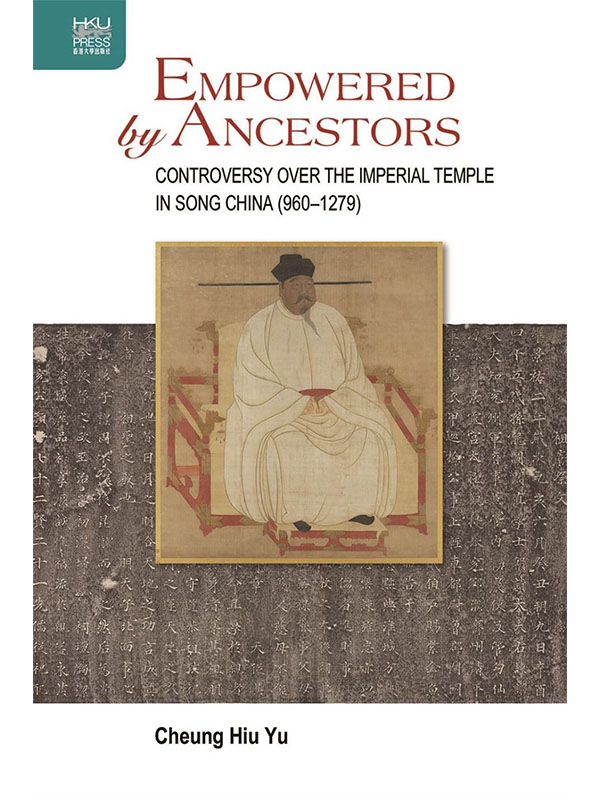
威兮其祖:宋代太廟禮儀之爭
Empowered by Ancestors: Controversy over the Imperial Temple in Song China 960–1279
作者:
Cheung Hiu Yu
分類:
社會•人文•史地
/
社會科學
出版社:
香港大學出版社
出版日期:2021/2/1
ISBN:9789888528585
書籍編號:kk0531357
頁數:232
定價:
2800
元
優惠價:
88
折
2464
元
書價若有異動,以出版社實際定價為準
訂購後立即為您進貨
訂購後立即為您進貨:目前無庫存量,讀者下訂後,開始進入調書程序,一般天數約為2-10工作日(不含例假日)。
團購數最低為 20 本以上
評價數:
(請將滑鼠移至星星處進行評價)
目前平均評價:
文字連結
複製語法
<a href='https://www.silkbook.com/book_detail.asp?goods_ser=kk0531357'>威兮其祖:宋代太廟禮儀之爭</a>
圖片連結
複製語法
<a href='https://www.silkbook.com/book_detail.asp?goods_ser=kk0531357'><img src='https://www.silkbook.com/mall_image/bk/kk0531357.jpg' ALT='威兮其祖:宋代太廟禮儀之爭' height='120' width='90'></a>
分
享
內容簡介
作者介紹
同類推薦
威兮其祖:宋代太廟禮儀之爭 內容簡介 Empowered by Ancestors: Controversy over the Imperial Temple in Song China (960–1279) examines the enduring tension between cultural authority and political power in imperial China by inquiring into Song ritual debates over the Imperial Temple. During these debates, Song-educated elites utilized various discourses to rectify temple rituals in their own ways. In this process, political interests were less emphasized and even detached from ritual discussions. Meanwhile, Song scholars of particular schools developed various ritual theories that were used to reshape society in later periods. Hence, the Song ritual debates exemplified the great transmission of ancestral ritual norms from the top stratum of imperial court downward to society. In this book, the author attempts to provide a lens through which historians, anthropologists, experts in Chinese Classics, and scholars from other disciplines can explore Chinese ritual in its intellectual, social, and political forms.
船行臺灣:從王船祭祀
中國威權之謎:從天安
我們不是機器:美麗青
黑心瘋人院的十日臥底
武漢:新冠疫情早期階
直通莫斯科:德國高度
我們要的未來生活──
臺灣與沖繩的對話:來
庫瑪翁的食人虎:不在
人類最後的工作:在A
為了保障您的權益,新絲路網路書店所購買的商品均享有到貨七天的鑑賞期(含例假日)。退回之商品必須於鑑賞期內寄回(以郵戳或收執聯為憑),且商品必須是全新狀態與完整包裝(商品、附件、內外包裝、隨貨文件、贈品等),否則恕不接受退貨。