登入
|
註冊
|
會員中心
|
結帳
|
培訓課程
魔法弟子
|
自資出版
|
電子書
|
客服中心
|
智慧型立体會員
書名
出版社
作者
isbn
編號
5050魔法眾籌
|
NG書城
|
國際級品牌課程
|
優惠通知
|
霹靂英雄音樂精選
|
超滿足!6000句外師親錄英文會話書(超值光碟附贈6小時30分鐘外師親錄全書英文會話MP3)
.
英文商業書信寫作技巧
.
辦公室英語會話必勝課
.
英文商務書信範例&應
文學小說
文學
|
小說
商管創投
財經投資
|
行銷企管
人文藝坊
宗教、哲學
社會、人文、史地
藝術、美學
|
電影戲劇
勵志養生
醫療、保健
料理、生活百科
教育、心理、勵志
進修學習
電腦與網路
|
語言工具
雜誌、期刊
|
軍政、法律
參考、考試、教科用書
科學工程
科學、自然
|
工業、工程
家庭親子
家庭、親子、人際
青少年、童書
玩樂天地
旅遊、地圖
|
休閒娛樂
漫畫、插圖
|
限制級
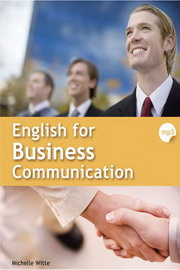
English for Business Communication(菊8開+MP3)
作者:
Michelle Witte
分類:
語言工具
/
英語進修
叢書系列:職場英語
出版社:
寂天文化
出版日期:2010/5/17
ISBN:9789861847177
書籍編號:kk0266763
頁數:280
定價:
400
元
優惠價:
79
折
316
元
書價若有異動,以出版社實際定價為準
訂購後立即為您進貨
訂購後立即為您進貨:目前無庫存量,讀者下訂後,開始進入調書程序,一般天數約為2-10工作日(不含例假日)。
團購數最低為 20 本以上
評價數:
(請將滑鼠移至星星處進行評價)
目前平均評價:
文字連結
複製語法
<a href='https://www.silkbook.com/book_detail.asp?goods_ser=kk0266763'>English for Business Communication(菊8開+MP3)</a>
圖片連結
複製語法
<a href='https://www.silkbook.com/book_detail.asp?goods_ser=kk0266763'><img src='https://www.silkbook.com/mall_image/bk/kk0266763.jpg' ALT='English for Business Communication(菊8開+MP3)' height='120' width='90'></a>
分
享
內容簡介
作者介紹
同類推薦
English for Business Communication(菊8開+MP3) English for Business Communication Business Communication is the type of communication used in the business world. The scope of it comprises telephone manners, making appointments with colleagues and clients, socializing with people of your trade and others, making speeches and presentations, running meetings, negotiating and persuading, promoting sales, problem solving, reading and writing business documents, and hunting for a job. All of the above are skills you’re going to need in your day-to-day work environment or for any business-related occasions and activities. Why is business communication essential in today’s business world? “Communication” plays a major part in our everyday lives. “Business communication” is what you need in the world of business. You use it whenever you need to talk with your colleagues, arrange a meeting with your boss, make an appointment with a new client, solve problems for your customers, or socialize at a formal or informal business event. Business communication is a must-have if you want to build a successful career. Why do you need this book?English for Business Communication provides a variety of communication skills and techniques for different business occasions. The book is divided into 57 units, and each unit deals with a specific theme, helping you focus on one area of business know-how and learn it quickly and thoroughly. Most units begin with an introductory description or lively conversation, with “Sample Sentences” following, to help you explore and expand on the theme. “Exercises” come at the end of each unit, offering you a chance to review the content and practice the useful phrases. 目錄 Part 1 Talking on the telephone Unit 1 Basic business telephone etiquette Unit 2 Taking calls and making calls Unit 3 Taking messages and transferring information Unit 4 Switchboard speaking Unit 5 Dealing with communication difficulties Part 2 Making arrangements and appointments Unit 6 Arranging a meeting Unit 7 Arranging an appointment with a client, supervisor Unit 8 Arranging a schedule Unit 9 Canceling or changing times Part 3 English for socializing Unit 10 First meetings Unit 11 Talking about jobs Unit 12 Talking about family Unit 13 Talking about interests and sports Unit 14 Talking about vacations Unit 15 Talking about health Unit 16 Inviting people to a dinner party or other activity Unit 17 Social phrases for dinner Parties Part 4 Making a speech and presentation Unit 18 Making preparations Unit 19 Opening and introducing the topic Unit 20 Stating the points and linking the parts Unit 21 Highlighting and emphasizing Unit 22 Interacting with the audience/drawing attention Unit 23 Using visual aids and describing them Unit 24 Analyzing facts and trends Unit 25 Suggestions and conclusion Unit 26 Answering questions from the audience Part 5 Running a meeting Unit 27 Opening a meeting Unit 28 Progressing and controlling the meeting Unit 29 Asking for opinions; agreeing and disagreeing Unit 30 Interruptions Unit 31 Asking questions Unit 32 Making decisions and closing a meeting Part 6 Negotiation and persuasion Unit 33 Making preparations Unit 34 Opening and agreeing on the agenda Unit 35 Stating your purpose and position Unit 36 Making and responding to proposals Unit 37 Bargaining Unit 38 Dealing with sticking points and conflict Unit 39 Closing a negotiation Part 7 Sales and promoting Unit 40 Talking about market and company strategy for a product Unit 41 Proposing and discussing a strategy for advertising Unit 42 Planning a promotional campaign Unit 43 Describing and recommending services to customers Unit 44 Persuading your customer Part 8 Communicating and problem solving at work Unit 45 Discussing a mistake made at work Unit 46 Discussing issues/or problems for your work Unit 47 Making complaints or criticisms Unit 48 Making requests or suggestions Unit 49 Dealing with complaints from customers Part 9 Reading and writing business documents Unit 50 The Layout and structure of business letters Unit 51 Expressions for business letters Unit 52 The layout and structure of business emails Unit 53 The layout and structure of reports Part 10 English for job hunting Unit 54 Reading want ads Unit 55 Writing a CV or resume Unit 56 How to write a cover letter Unit 57 Interview and follow-up
1本就通!英文狀態表
英文字彙王:進階單字
英文字彙王:核心單字
1本就通 高中英文作
品味莎士比亞英文名作
威尼斯商人 The
英文閱讀必考題型 一
近五年英文學測/ 指
新聞英文聽說讀:加深
救命!我在學英文文法
為了保障您的權益,新絲路網路書店所購買的商品均享有到貨七天的鑑賞期(含例假日)。退回之商品必須於鑑賞期內寄回(以郵戳或收執聯為憑),且商品必須是全新狀態與完整包裝(商品、附件、內外包裝、隨貨文件、贈品等),否則恕不接受退貨。