登入
|
註冊
|
會員中心
|
結帳
|
培訓課程
魔法弟子
|
自資出版
|
電子書
|
客服中心
|
智慧型立体會員
書名
出版社
作者
isbn
編號
5050魔法眾籌
|
NG書城
|
國際級品牌課程
|
優惠通知
|
霹靂英雄音樂精選
|
!工作不卡,人生不苦的31個生存心法
.
Business E
文學小說
文學
|
小說
商管創投
財經投資
|
行銷企管
人文藝坊
宗教、哲學
社會、人文、史地
藝術、美學
|
電影戲劇
勵志養生
醫療、保健
料理、生活百科
教育、心理、勵志
進修學習
電腦與網路
|
語言工具
雜誌、期刊
|
軍政、法律
參考、考試、教科用書
科學工程
科學、自然
|
工業、工程
家庭親子
家庭、親子、人際
青少年、童書
玩樂天地
旅遊、地圖
|
休閒娛樂
漫畫、插圖
|
限制級
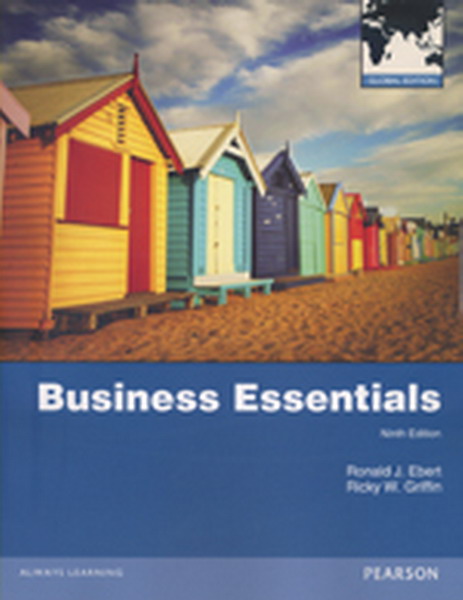
Business Essentials(9版)
作者:
Ebert
分類:
行銷企管
/
企管•資訊科技
出版社:
華泰文化
出版日期:1990/1/1
ISBN:9780273766599
書籍編號:kk0322848
頁數:504
定價:
1140
元
書價若有異動,以出版社實際定價為準
暫停販售
暫無供應商:尋找供貨商中(也有可能出版社已結束)。
團購數最低為 20 本以上
評價數:
(請將滑鼠移至星星處進行評價)
目前平均評價:
文字連結
複製語法
<a href='https://www.silkbook.com/book_detail.asp?goods_ser=kk0322848'>Business Essentials(9版)</a>
圖片連結
複製語法
<a href='https://www.silkbook.com/book_detail.asp?goods_ser=kk0322848'><img src='https://www.silkbook.com/mall_image/bk/kk0322848.jpg' ALT='Business Essentials(9版)' height='120' width='90'></a>
分
享
內容簡介
書籍目錄
同類推薦
Business Essentials(9版) Business Essentials continues to provide a solid foundation of the essential topics that first-semester business students need to understand. Its focus on practical skills, knowledge of the basics, and important developments in business makes for a brief book, but a rich experience. The recent events in domestic and global economies are presenting unprecedented challenges, excitement, and disappointments for business—and a need for a change in the Introduction to Business course and text. This text captures the widespread significance of these developments and presents their implications on businesses today. 1.Chapter Case Vignettes. All of the chapter-opening cases are fresh, relevant, and up-to-date. Covering companies such as Facebook, eBay, and Apple, these chapter case vignettes pique students’ interest at the beginning of the chapter and reinforce concepts they’ve learned throughout their reading. 2.Entrepreneurship and New Ventures Features. Whether working for a large corporation or starting their own business, students need to be both entrepreneurial and intrapreneurial. These now updated popular boxed features touch on entrepreneurs who have truly made a difference. 3.Glindex. In addition to the marginal key terms from previous editions, this text also features a combined glossary and index—a glindex—to make it even easier to find the definitions of key terms and where they are referenced in the text. 4.NEW! Six kinds of chapter-ending involvement activities—to reinforce and practice the use of chapter concepts—are back by popular demand (see below for detailed descriptions). 5.NEW! Hundreds of new real-life business examples added throughout the text, as requested by reviewers and users. 6.Updated! Substantially updated Marketing Processes and Consumer Behavior ( Chapter 11 ), with all-new sections covering the new product development process, customer relationship management, geo-demographic segmentation, and behavior segmentation. 7.NEW! Five new sections added to illustrate the modernization of Pricing, Distributing, and Promoting Products ( Chapter 12 ), including the role of e-intermediaries, non-physical storage (warehousing for digital data), direct interactive marketing, combining just-in-time and supply chains for a competitive advantage, as well as marketing strategies of distribution via supply chains. 8.NEW! Four new sections cover the latest changes in Information Technology for Business ( Chapter 13 ), including computer-aided manufacturing (CAM), applications software (”apps”), computer-based voice technology, and recent ethical issues arising from IT
PART I: THE CONTEMPORARY BUSINESS WORLD Ch 1 The U.S. Business Environment Ch 2 Business Ethics and Social Responsibility Ch 3 Entrepreneurship, New Ventures, and Business Ownership Ch 4 The Global Context of Business PART II: THE BUSINESS OF MANAGING Ch 5 Business Management Ch 6 Organizing the Business Ch 7 Operations Management and Quality PART III: PEOPLE IN ORGANIZATIONS Ch 8 Employee Behavior and Motivation Ch 9 Leadership and Decision Making Ch10 Human Resource Management and Labor Relations PART IV: PRINCIPLES OF MARKETING Ch11 Marketing Processes and Consumer Behavior Ch12 Pricing, Distributing, and Promoting Products PART V: MANAGING INFORMATION Ch13 Information Technology for Business Ch14 The Role of Accountants and Accounting Information PART VI: FINANCIAL ISSUES Ch15 Money and Banking Ch16 Managing Finances
ESG企業永續發展創
2022真永是真:真
上班必學的100分回
責任型思維,從態度到
管理學(Jones/
利他一心
Fundamenta
資通安全法合規研究與
Fundamenta
作業管理(Jacob
為了保障您的權益,新絲路網路書店所購買的商品均享有到貨七天的鑑賞期(含例假日)。退回之商品必須於鑑賞期內寄回(以郵戳或收執聯為憑),且商品必須是全新狀態與完整包裝(商品、附件、內外包裝、隨貨文件、贈品等),否則恕不接受退貨。