登入
|
註冊
|
會員中心
|
結帳
|
培訓課程
魔法弟子
|
自資出版
|
電子書
|
客服中心
|
智慧型立体會員
書名
出版社
作者
isbn
編號
5050魔法眾籌
|
NG書城
|
國際級品牌課程
|
優惠通知
|
霹靂英雄音樂精選
|
!工作不卡,人生不苦的31個生存心法
此作者無相關書籍
文學小說
文學
|
小說
商管創投
財經投資
|
行銷企管
人文藝坊
宗教、哲學
社會、人文、史地
藝術、美學
|
電影戲劇
勵志養生
醫療、保健
料理、生活百科
教育、心理、勵志
進修學習
電腦與網路
|
語言工具
雜誌、期刊
|
軍政、法律
參考、考試、教科用書
科學工程
科學、自然
|
工業、工程
家庭親子
家庭、親子、人際
青少年、童書
玩樂天地
旅遊、地圖
|
休閒娛樂
漫畫、插圖
|
限制級
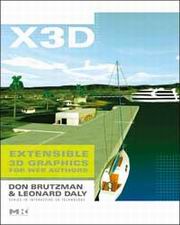
X3D: EXTENSIBLE 3D GRAPHICS FOR WEB AUTHORS
作者:
BRUTZMAN
分類:
行銷企管
/
企管•資訊科技
叢書系列:實用資訊
出版社:
全華圖書
出版日期:2007/1/1
ISBN:012088500X
書籍編號:kk0186626
頁數:441
定價:
1160
元
書價若有異動,以出版社實際定價為準
暫停販售
暫無供應商:尋找供貨商中(也有可能出版社已結束)。
團購數最低為 20 本以上
評價數:
(請將滑鼠移至星星處進行評價)
目前平均評價:
文字連結
複製語法
<a href='https://www.silkbook.com/book_detail.asp?goods_ser=kk0186626'>X3D: EXTENSIBLE 3D GRAPHICS FOR WEB AUTHORS</a>
圖片連結
複製語法
<a href='https://www.silkbook.com/book_detail.asp?goods_ser=kk0186626'><img src='https://www.silkbook.com/mall_image/bk/kk0186626.jpg' ALT='X3D: EXTENSIBLE 3D GRAPHICS FOR WEB AUTHORS' height='120' width='90'></a>
分
享
內容簡介
同類推薦
<b><font color="#aa0000">內容簡介</font></b> In the early days of the Web a need was recognized for a language to display 3D objects through a browser. An HTML-like language, VRML, was proposed in 1994 and became the standard for describing interactive 3D objects and worlds on the Web. 3D Web courses were started, several best-selling books were published, and VRML continues to be used today. However VRML, because it was based on HTML, is a stodgy language that is not easy to incorporate with other applications and has been difficult to add features to. Meanwhile, applications for interactive 3D graphics have been exploding in areas such as medicine, science, industry, and entertainment. There is a strong need for a set of modern Web-based technologies, applied within a standard extensible framework, to enable a new generation of modeling & simulation applications to emerge, develop, and interoperate. X3D is the next generation open standard for 3D on the web. It is the result of several years of development by the Web 3D Consortium's X3D Task Group. Instead of a large monolithic specification (like VRML), which requires full adoption for compliance, X3D is a component-based architecture that can support applications ranging from a simple non-interactive animation to the latest streaming or rendering applications. X3D replaces VRML, but also provides compatibility with existing VRML content and browsers. Don Brutzman organized the first symposium on VRML and is playing a similar role with X3D; he is a founding member of the consortium. Len Daly is a professional member of the consortium and both Len and Don have been involved with the development of the standard from the start.
浚流湧上:0920四
人腦與AI腦的新協作
Business D
Business C
Internatio
組織行為學精華版(R
ESG企業永續發展創
2022真永是真:真
Crafting &
作業與供應鏈管理精簡
為了保障您的權益,新絲路網路書店所購買的商品均享有到貨七天的鑑賞期(含例假日)。退回之商品必須於鑑賞期內寄回(以郵戳或收執聯為憑),且商品必須是全新狀態與完整包裝(商品、附件、內外包裝、隨貨文件、贈品等),否則恕不接受退貨。