登入
|
註冊
|
會員中心
|
結帳
|
培訓課程
魔法弟子
|
自資出版
|
電子書
|
客服中心
|
智慧型立体會員
書名
出版社
作者
isbn
編號
5050魔法眾籌
|
NG書城
|
國際級品牌課程
|
優惠通知
|
霹靂英雄音樂精選
|
最權威的大陸淘金手冊
.
Microecono
文學小說
文學
|
小說
商管創投
財經投資
|
行銷企管
人文藝坊
宗教、哲學
社會、人文、史地
藝術、美學
|
電影戲劇
勵志養生
醫療、保健
料理、生活百科
教育、心理、勵志
進修學習
電腦與網路
|
語言工具
雜誌、期刊
|
軍政、法律
參考、考試、教科用書
科學工程
科學、自然
|
工業、工程
家庭親子
家庭、親子、人際
青少年、童書
玩樂天地
旅遊、地圖
|
休閒娛樂
漫畫、插圖
|
限制級
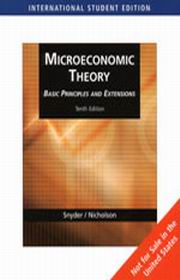
Microeconomic Theory:Basic Principles and Extensions
作者:
Nicholson
分類:
財經投資
/
經濟
出版社:
華泰文化
出版日期:2008/1/1
ISBN:0324645082
書籍編號:kk0201355
頁數:620
定價:
1180
元
書價若有異動,以出版社實際定價為準
暫停販售
暫無供應商:尋找供貨商中(也有可能出版社已結束)。
團購數最低為 20 本以上
評價數:
(請將滑鼠移至星星處進行評價)
目前平均評價:
文字連結
複製語法
<a href='https://www.silkbook.com/book_detail.asp?goods_ser=kk0201355'>Microeconomic Theory:Basic Principles and Extensions</a>
圖片連結
複製語法
<a href='https://www.silkbook.com/book_detail.asp?goods_ser=kk0201355'><img src='https://www.silkbook.com/mall_image/bk/kk0201355.jpg' ALT='Microeconomic Theory:Basic Principles and Extensions' height='120' width='90'></a>
分
享
內容簡介
同類推薦
<b><font color="#aa0000">內容簡介</font></b> A proven market leader is now even better. MICROECONOMIC THEORY: BASIC PRINCIPLES AND EXTENSIONS delivers the most cutting-edge coverage available in its exciting new 10th edition. Joining seasoned author and economist Walter Nicholson in the new edition is Dartmouth Professor of Economics Chris Snyder. Considered the "bible of microeconomics," MICROECONOMIC THEORY targets the calculus-level course with its traditional presentation and solid theory, offering an ideal level of mathematical rigor for upper level undergraduate students and beginning graduate students. Rigorous yet accessible, it provides clear and accurate coverage of advanced microeconomic concepts. Packed with examples, it gives students the opportunity to work directly with theoretical tools, real-world applications, and emerging developments in the study of microeconomics. Unlike other, more theoretical texts, Nicholson and Snyder provide the theory in an accessible way and illustrate how the theory applies to practical situations. In addition, the text's aggressive effort to help build student intuition includes new two-tier end-of-chapter problems that begin with simple numerical/mathematical exercises followed by more analytical, theoretical, and complex problems. Insightful, current, and streamlined to a succinct 19 chapters, MICROECONOMIC THEORY: BASIC PRINCIPLES AND EXTENSIONS, 10e proves why it remains a market leader.
國家競爭力:創造財富
隱藏的世界:揭開隱沒
逆分工:AI 時代的
科特勒的卓越營運新戰
金錢與權力都屬於你!
無現金時代:中國為何
未來1000天:你現
當世界為一桶油改變方
從台灣看懂國際金融:
看得見的品牌力:從人
為了保障您的權益,新絲路網路書店所購買的商品均享有到貨七天的鑑賞期(含例假日)。退回之商品必須於鑑賞期內寄回(以郵戳或收執聯為憑),且商品必須是全新狀態與完整包裝(商品、附件、內外包裝、隨貨文件、贈品等),否則恕不接受退貨。