登入
|
註冊
|
會員中心
|
結帳
|
培訓課程
魔法弟子
|
自資出版
|
電子書
|
客服中心
|
智慧型立体會員
書名
出版社
作者
isbn
編號
5050魔法眾籌
|
NG書城
|
國際級品牌課程
|
優惠通知
|
霹靂英雄音樂精選
|
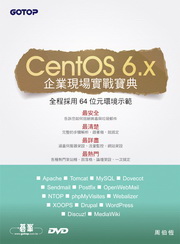
CentOS 6.x企業現場實戰寶典(附兩片DVD)
此作者無相關書籍
文學小說
文學
|
小說
商管創投
財經投資
|
行銷企管
人文藝坊
宗教、哲學
社會、人文、史地
藝術、美學
|
電影戲劇
勵志養生
醫療、保健
料理、生活百科
教育、心理、勵志
進修學習
電腦與網路
|
語言工具
雜誌、期刊
|
軍政、法律
參考、考試、教科用書
科學工程
科學、自然
|
工業、工程
家庭親子
家庭、親子、人際
青少年、童書
玩樂天地
旅遊、地圖
|
休閒娛樂
漫畫、插圖
|
限制級
Exim:The Mail Transfer Agent
作者:
Philip Hazel
分類:
電腦與網路
/
作業系統
出版社:
美商歐萊禮英文書
出版日期:2001/7/1
ISBN:0596000987
書籍編號:kk0034898
頁數:632
定價:
1580
元
書價若有異動,以出版社實際定價為準
暫停販售
暫無供應商:尋找供貨商中(也有可能出版社已結束)。
團購數最低為 20 本以上
評價數:
(請將滑鼠移至星星處進行評價)
目前平均評價:
文字連結
複製語法
<a href='https://www.silkbook.com/book_detail.asp?goods_ser=kk0034898'>Exim:The Mail Transfer Agent</a>
圖片連結
複製語法
<a href='https://www.silkbook.com/book_detail.asp?goods_ser=kk0034898'><img src='https://www.silkbook.com/mall_image/bk/kk0034898.jpg' ALT='Exim:The Mail Transfer Agent' height='120' width='90'></a>
分
享
內容簡介
同類推薦
<b><font color="#aa0000">內容簡介</font></b> Exim delivers electronic mail, both local and remote. It has all the virtues of a good postman: it's easy to talk to, reliable, efficient, and eager to accommodate even the most complex special requests. It's the default mail transport agent installed on some Linux systems, runs on many versions of Unix, and is suitable for any TCP/IP network with any combination of hosts and end-user mail software. Exim is growing in popularity because it is open source, scalable, and rich in features such as the following: Compatibility with the calling interfaces and options of Sendmail (for which Exim is usually a drop-in replacement) Lookups in LDAP servers, MySQL and PostgreSQL databases, and NIS or NIS+ services Support for many kinds of address parsing, including regular expressions that are compatible with Perl 5 Sophisticated error handling Innumerable tuning parameters for improving performance and handling enormous volumes of mail Best of all, Exim is easy to configure. You never have to deal with ruleset 3 or worry that a misplaced asterisk will cause an inadvertent mail bomb. While a basic configuration is easy to read and can be created quickly, Exim's syntax and behavior do get more subtle as you enter complicated areas like virtual hosting, filtering, and automatic replies. This book is a comprehensive survey that provides quick information for people in a hurry as well as thorough coverage of more advanced material. <b><font color="#aa0000">目錄</font></b> Preface Chapter 1. Introduction Chapter 2. How Internet Mail Works Different Types of MTA Internet Message Standards RFC 822 Message Format The Message ``On the Wire'' Summary of the SMTP Protocol Forgery Authentication and Encryption Routing a Message Checking Incoming Mail Overview of the DNS DNS Records Used for Mail Routing Related DNS Records Common DNS Errors Role of the Postmaster Chapter 3. Exim Overview Exim Philosophy Exim's Queue Receiving and Delivering Messages Exim Processes Coordination Between Processes How Exim Is Configured How Exim Delivers Messages Local and Remote Addresses Processing an Address A Simple Example Complications While Directing and Routing Complications During Delivery Complications After Delivery Use of Transports by Directors and Routers Chapter 4. Exim Operations Overview How Exim Identifies Messages Watching Exim at Work The Runtime Configuration File The Default Qualification Domain Handling Frozen Bounce Messages Reducing Activity at High Load Limiting Message Sizes Parallel Remote Delivery Controlling the Number of Delivery Processes Large Message Queues Large Installations Chapter 5. Extending the Delivery Configuration Multiple Local Domains Virtual Domains Mailing Lists Using an External Local Delivery Agent Multiple User Addresses Mixed Local/Remote Domains Delivering to UUCP Ignoring the Local Part in Local Deliveries Handling Local Parts in a Case-Sensitive Manner Scanning Messages for Viruses Modifying Message Bodies Chapter 6. Options Common to Directors and Routers Conditional Running of Routers and Directors Changing a Driver's Successful Outcome Adding Data for Use by Transports Debugging Directors and Routers Summary of Director/Router Generic Options Chapter 7. The Directors Conditional Running of Directors Optimizing Single-Level Aliasing Adding Data for Use by Transports The aliasfile and forwardfile Directors The aliasfile Director The forwardfile Director The localuser Director The smartuser Director Chapter 8. The Routers Timeouts While Routing Domains That Route to the Local Host The lookuphost Router The domainlist Router The ipliteral Router The queryprogram Router Chapter 9. The Transports Options Common to All Transports The smtp Transport Environment for Local Transports Options Common to the appendfile and pipe Transports The appendfile Transport The pipe Transport The lmtp Transport The autoreply Transport Chapter 10. Message Filtering Examples of Filter Commands Filtering Compared with an External Delivery Agent Setting Up a User Filter Setting Up a System Filter Testing Filter Files Format of Filter Files Significant Actions Filter Commands The add Command Delivery Commands Mail Commands Logging Commands The testprint Command The finish Command Obeying Filter Commands Conditionally Additional Features for System Filters Chapter 11. Shared Data and Exim Processes Message Files Locking Message Files Hints Files Log Files User and Group Ids for Exim Processes Process Relationships The Daemon Process Reception Processes Queue Runner Processes Delivery Processes Summary of Message Handling Process Types Other Types of Process Chapter 12. Delivery Errors and Retrying Retrying After Errors Remote Delivery Errors Local Delivery Errors Routing and Directing Errors Retry Rules Computing Retry Times Using Retry Times Retry Rule Examples Timeout of Retry Data Long-Term Failures Ultimate Address Timeout Intermittently Connected Hosts Chapter 13. Message Reception and Policy Controls Message Sources Message Size Control Messages from Local Processes Unqualified Addresses from Remote Hosts Checking a Remote Host Checking Remote Sender Addresses Checking Recipient Addresses Checking Header Line Syntax Relay Control Customizing Prohibition Messages Incoming Message Processing Chapter 14. Rewriting Addresses Automatic Rewriting Configured Rewriting Rewriting Rules Rewriting Patterns Rewriting Flags A Further Rewriting Example Testing Rewriting Rules Chapter 15. Authentication, Encryption, and Other SMTP Processing SMTP Authentication Encrypted SMTP Connections SMTP over TCP/IP Local SMTP Batched SMTP Chapter 16. File and Database Lookups Single-Key Lookup Types Query-Style Lookup Types Quoting Lookup Data NIS+ LDAP MySQL and PostgreSQL DNS Lookups Implicit Keys in Query-Style Lookups Temporary Errors in Lookups Default Values in Single-Key Lookups Partial Matching in Single-Key Lookups Lookup Caching Chapter 17. String Expansion Variable Substitution Header Insertion Operations on Substrings Character Translation Text Substitution Conditional Expansion Lookups in Expansion Strings Extracting Fields from Substrings IP Address Masking Quoting Reexpansion Running Embedded Perl Testing String Expansions Chapter 18. Domain, Host, and Address Lists Negative Items in Lists List Items in Files Lookup Items in Lists Domain Lists Host Lists Address Lists Chapter 19. Miscellany Security Issues Privileged Users RFC Conformance Timestamps Checking Spool Space Control of DNS Lookups Bounce Message Handling Miscellaneous Controls Chapter 20. Command-Line Interface to Exim Input Mode Control Additional Message Data Immediate Delivery Control Error Routing Queue Runner Processes Configuration Overrides Watching Exim's Queue Message Control Testing Options Options for Debugging Terminating the Options Embedded Perl Options Compatibility with Sendmail Calling Exim by Different Names Chapter 21. Administering Exim Log Files Log Destination Control Format of Main Log Entries Cycling Log Files Extracting Information from Log Files Watching What Exim is Doing The Exim Monitor Maintaining Alias and Other Datafiles Hints Database Maintenance Mailbox Maintenance Chapter 22. Building and Installing Exim Prerequisites Fetching and Unpacking the Source Configuration for Building The Building Process Installing Exim Testing Before Turning On Turning Exim On Installing Documentation in Info Format Upgrading to a New Release Appendix A. Summary of String Expansion Appendix B. Regular Expressions Index
30天精通 Powe
圖解LINUX指令操
Linux隨身指南:
最佳拍檔完全體- L
Windows 11
真正了解核心:Lin
跟我學Windows
絕對硬派:Windo
超實用!Word.E
Excel 365商
為了保障您的權益,新絲路網路書店所購買的商品均享有到貨七天的鑑賞期(含例假日)。退回之商品必須於鑑賞期內寄回(以郵戳或收執聯為憑),且商品必須是全新狀態與完整包裝(商品、附件、內外包裝、隨貨文件、贈品等),否則恕不接受退貨。