登入
|
註冊
|
會員中心
|
結帳
|
培訓課程
魔法弟子
|
自資出版
|
電子書
|
客服中心
|
智慧型立体會員
書名
出版社
作者
isbn
編號
5050魔法眾籌
|
NG書城
|
國際級品牌課程
|
優惠通知
|
霹靂英雄音樂精選
|
滴水穿石:成功在於水的堅持
此作者無相關書籍
文學小說
文學
|
小說
商管創投
財經投資
|
行銷企管
人文藝坊
宗教、哲學
社會、人文、史地
藝術、美學
|
電影戲劇
勵志養生
醫療、保健
料理、生活百科
教育、心理、勵志
進修學習
電腦與網路
|
語言工具
雜誌、期刊
|
軍政、法律
參考、考試、教科用書
科學工程
科學、自然
|
工業、工程
家庭親子
家庭、親子、人際
青少年、童書
玩樂天地
旅遊、地圖
|
休閒娛樂
漫畫、插圖
|
限制級
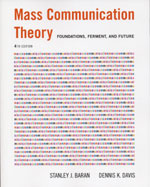
Mass Communication Theory:Foundations, Ferment, and Future
作者:
Baran、Davis
分類:
行銷企管
/
行銷•廣告
出版社:
華泰文化
出版日期:2006/4/3
ISBN:0534637973
書籍編號:kk0145259
頁數:416
定價:
830
元
書價若有異動,以出版社實際定價為準
暫停販售
暫無供應商:尋找供貨商中(也有可能出版社已結束)。
團購數最低為 20 本以上
評價數:
(請將滑鼠移至星星處進行評價)
目前平均評價:
文字連結
複製語法
<a href='https://www.silkbook.com/book_detail.asp?goods_ser=kk0145259'>Mass Communication Theory:Foundations, Ferment, and Future</a>
圖片連結
複製語法
<a href='https://www.silkbook.com/book_detail.asp?goods_ser=kk0145259'><img src='https://www.silkbook.com/mall_image/bk/kk0145259.jpg' ALT='Mass Communication Theory:Foundations, Ferment, and Future' height='120' width='90'></a>
分
享
內容簡介
同類推薦
<b><font color="#aa0000">內容簡介</font></b> MASS COMMUNICATION THEORY provides a comprehensive, historically-based introduction to mass communication theory. Clearly written with examples, graphics, and other materials to illustrate key theories, the text traces the emergence of two main bodies of mass communication theory—social/behavioral and critical/cultural—and concludes with a discussion of how these two traditions support the media literacy movement and might be combined to produce a new theory of mediated communication. The authors emphasize that media theories are human creations that typically are intended to address specific problems or issues. MASS COMMUNICATION THEORY helps students develop an understanding of theory so they can make better use of media and play a role in the development of new media industries. <b><font color="#aa0000">目錄</font></b> Section One: INTRODUCTION TO MASS COMMUNICATION THEORY. Ch.1 Introduction. Ch.2 Understanding and Evaluating Mass Communication Theory. Section Two: ERA OF MASS SOCIETY AND MASS CULTURE. Ch.3 The Rise of Media Industries and Mass Society Theory. Ch.4 The Rise of Media Theory in the Age of Propaganda. Ch.5 Normative Theories of Mass Communication. Section Three: THE RISE AND FALL OF LIMITED EFFECTS. Ch.6 Limited Effects Theory Emerges. Ch.7 Middle-Range Theory and the Consolidation of the Limited Effects Paradigm. Ch.8 Challenging the Dominant Paradigm: Children, Systems, and Effects. Section Four: CONTEMPORARY MASS COMMUNICATION THEORY—SEARCHING FOR CONSENSUS AND CONFRONTING CHALLENGES. Ch.9 Emergence of Critical and Cultural Theories of Mass Communication. Ch.10 Media and Audiences: Theories About the Role of Media in Everyday Life. Ch.11 Theories of Media, Culture, and Society. Ch.12 Trends in Mass Communication Theory: Seeking Consensus, Facing Challenges.
慢讀秒懂數位好文案:
業務之神的回話細節:
最強文案產生器:超過
故事課2:99%有效
故事課1+2暢銷新裝
故事課1:3分鐘說1
文化行銷戰略與戰術:
90%高級主管出身業
大腦拒絕不了的說服術
消費者行為概論
為了保障您的權益,新絲路網路書店所購買的商品均享有到貨七天的鑑賞期(含例假日)。退回之商品必須於鑑賞期內寄回(以郵戳或收執聯為憑),且商品必須是全新狀態與完整包裝(商品、附件、內外包裝、隨貨文件、贈品等),否則恕不接受退貨。