登入
|
註冊
|
會員中心
|
結帳
|
培訓課程
魔法弟子
|
自資出版
|
電子書
|
客服中心
|
智慧型立体會員
書名
出版社
作者
isbn
編號
5050魔法眾籌
|
NG書城
|
國際級品牌課程
|
優惠通知
|
霹靂英雄音樂精選
|
有毒污泥愛你好:揭開黑心公關的祕密檔案
.
華人本土心理學(下)
.
華人本土心理學(上)
.
消化系超音波學
文學小說
文學
|
小說
商管創投
財經投資
|
行銷企管
人文藝坊
宗教、哲學
社會、人文、史地
藝術、美學
|
電影戲劇
勵志養生
醫療、保健
料理、生活百科
教育、心理、勵志
進修學習
電腦與網路
|
語言工具
雜誌、期刊
|
軍政、法律
參考、考試、教科用書
科學工程
科學、自然
|
工業、工程
家庭親子
家庭、親子、人際
青少年、童書
玩樂天地
旅遊、地圖
|
休閒娛樂
漫畫、插圖
|
限制級
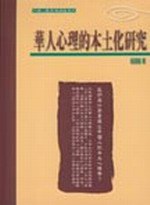
華人心理的本土化研究
作者:
楊國樞
分類:
軍政•法律
/
社會議題
出版社:
桂冠
出版日期:2002/9/27
ISBN:9577303919
書籍編號:kk0050422
頁數:520
定價:
500
元
優惠價:
95
折
475
元
書價若有異動,以出版社實際定價為準
暫停販售
暫無供應商:尋找供貨商中(也有可能出版社已結束)。
團購數最低為 20 本以上
評價數:
(請將滑鼠移至星星處進行評價)
目前平均評價:
文字連結
複製語法
<a href='https://www.silkbook.com/book_detail.asp?goods_ser=kk0050422'>華人心理的本土化研究</a>
圖片連結
複製語法
<a href='https://www.silkbook.com/book_detail.asp?goods_ser=kk0050422'><img src='https://www.silkbook.com/mall_image/bk/kk0050422.jpg' ALT='華人心理的本土化研究' height='120' width='90'></a>
分
享
內容簡介
同類推薦
<b><font color="#aa0000">內容簡介</font></b> "This book presents a collection of nine papers published in Mandarin in various academic journals and books from 1987 to 1997. All of the papers are written from an indigenous perspective, which entails using concepts, theories, methods, and tools that are highly compatible with the studied psychological and behavioral phenomenon in their native ecological, the major goals of employing an indigenous paradigm and recommends a number of ways to achieve a high level of indigenous compatibility in proposes a theoretical framework of Chinese social orientation consisting of four sub-order orientations: relationship-, authoritarian-, familistic-, and other-orientation. In the third through ninth papers, examples of application of this framework with an indigenous approach are provided through the conceptual and empirical analyses in research on Chinese filial piety and Chinese traditionality and modernity. Through these examples the reader will understand how indigenous theoretical concepts can be systematically explored with indigenous empirical studies. 我們為什麼要建立中國人的本土心理學? 只有揚棄西化的華人心理學之後,以本土化的研究取向有效探討華人的心理與行為所建立的知識體系,才能成為真正的華人本土心理學。這樣的華人本土心理學,不再是一種外發性的心理學,而是一種內發性的心理學。只有內發性的華人心理學,才能提供有效瞭解華人心理與行為的知識,才能作為發展全人類心理學的良好基礎。"
沿著記憶虛線走:工殤
那些無法輕易定罪的人
社區交往:臺北場所創
詐騙的14種信號:與
他們為什麼走到這裡?
神聖經濟:宗教如何爭
台灣紀行(TEAM
殺人魔名冊【暢銷紀念
孤注一治:精神醫學治
大不列顛小心機:搞定
為了保障您的權益,新絲路網路書店所購買的商品均享有到貨七天的鑑賞期(含例假日)。退回之商品必須於鑑賞期內寄回(以郵戳或收執聯為憑),且商品必須是全新狀態與完整包裝(商品、附件、內外包裝、隨貨文件、贈品等),否則恕不接受退貨。