登入
|
註冊
|
會員中心
|
結帳
|
培訓課程
魔法弟子
|
自資出版
|
電子書
|
客服中心
|
智慧型立体會員
書名
出版社
作者
isbn
編號
5050魔法眾籌
|
NG書城
|
國際級品牌課程
|
優惠通知
|
霹靂英雄音樂精選
|
最權威的大陸淘金手冊
此作者無相關書籍
文學小說
文學
|
小說
商管創投
財經投資
|
行銷企管
人文藝坊
宗教、哲學
社會、人文、史地
藝術、美學
|
電影戲劇
勵志養生
醫療、保健
料理、生活百科
教育、心理、勵志
進修學習
電腦與網路
|
語言工具
雜誌、期刊
|
軍政、法律
參考、考試、教科用書
科學工程
科學、自然
|
工業、工程
家庭親子
家庭、親子、人際
青少年、童書
玩樂天地
旅遊、地圖
|
休閒娛樂
漫畫、插圖
|
限制級
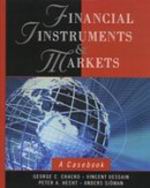
Financial Instruments and Markets: A Casebook
作者:
Chacko
分類:
財經投資
/
經濟
出版社:
華泰文化
出版日期:2006/4/12
ISBN:0471737674
書籍編號:kk0146628
頁數:656
定價:
1200
元
書價若有異動,以出版社實際定價為準
暫停販售
暫無供應商:尋找供貨商中(也有可能出版社已結束)。
團購數最低為 20 本以上
評價數:
(請將滑鼠移至星星處進行評價)
目前平均評價:
文字連結
複製語法
<a href='https://www.silkbook.com/book_detail.asp?goods_ser=kk0146628'>Financial Instruments and Markets: A Casebook</a>
圖片連結
複製語法
<a href='https://www.silkbook.com/book_detail.asp?goods_ser=kk0146628'><img src='https://www.silkbook.com/mall_image/bk/kk0146628.jpg' ALT='Financial Instruments and Markets: A Casebook' height='120' width='90'></a>
分
享
內容簡介
同類推薦
<b><font color="#aa0000">內容簡介</font></b> Create value while you manage risk Today’s increasingly volatile financial markets have caused an explosion of new financial instruments designed to transfer risk--from collateralized mortgage-backed securities to swaptions that trade directly between financial actors. And now these complex financial instruments have become standard operating procedure at most large and mid-sized businesses. Managers overseeing any substantial business, financial or non-financial, must thoroughly understand these financial instruments and their value in hedging and diversifying to succeed. With this unique casebook, you’ll have the opportunity to gain the analytical, institutional, and functional knowledge you need to use these instruments to solve new problems. Featuring cases from the authors’ MBA and Executive Education level courses at Harvard Business School, the book covers the basics of financial instruments, from terminology to pricing, and the markets in which these instruments trade. Throughout, the emphasis is on how these securities accomplish risk transfer from actors who do not want risk to those who are willing to take it on--for a fee of course. <b><font color="#aa0000">目錄</font></b> SECTION 2: DERIVATIVE SECURITIES (EQUITY AND INTEREST RATE OPTIONS). Module DS-1: Equity Options: Concepts. ‧16. Reading Notes—Note on Basic Option Properties. ‧17. Dell Computer Corporation: Share Repurchase Program. ‧18. Reading Notes—Note on Option Valuation. ‧19. Sally Jameson—1999. Module DS-2: Equity Options: Applications. ‧20. Case—Pine Street Capital. ‧21. Case—Tribune Company: The PHONES Proposal. ‧22. Case—Cox Communications, Inc., 1999. ‧23. Case—DigaMem Inc. ‧24. Case—ALZA and Bio-Electro Systems (A): technological and Financial Innovation. Module DS-3: Credit Derivatives. ‧25. Reading Notes— Note on Credit Derviatives. ‧26. Case—First American Bank: Credit Default Swaps. ‧27. Case—Morgan Stanley and TRAC-X: The Battle for the CDS Indexes Market. Module DS-4: Interest Rate Derviatives. ‧28. Reading Note—Introduction to Interest Rate Options. ‧29. Case—Advising on Currency Risk at ICICI Bank. Module DS-5: Equity and Options Exchanges. ‧30. Case—Deutsche Borse. ‧31. Case—The Chicago Board Options Exchange. ‧32. Case—The International Securities Exchange: New Ground in Options Markets. Module DS-6: Real Options. ‧33: Case—RTY Telecom: Network Expansion. Index.
經濟大局的底層邏輯【
人們為什麼願意掏錢?
我為什麼會這樣花錢?
信任複利:AI時代最
在碎裂的世界共享富裕
搞懂AI:機器會思考
從地理看經濟!破譯全
暢銷的內幕:看懂行為
現代貨幣理論:未來世
不躺平,要幹嘛:算力
為了保障您的權益,新絲路網路書店所購買的商品均享有到貨七天的鑑賞期(含例假日)。退回之商品必須於鑑賞期內寄回(以郵戳或收執聯為憑),且商品必須是全新狀態與完整包裝(商品、附件、內外包裝、隨貨文件、贈品等),否則恕不接受退貨。