登入
|
註冊
|
會員中心
|
結帳
|
培訓課程
魔法弟子
|
自資出版
|
電子書
|
客服中心
|
智慧型立体會員
書名
出版社
作者
isbn
編號
5050魔法眾籌
|
NG書城
|
國際級品牌課程
|
優惠通知
|
霹靂英雄音樂精選
|
ELEMENTARY STATISTICS:A STEP BY STEP APPROACH 5/E (A BRIEF VERSION)(IE)
.
Macroecono
.
Macroecono
文學小說
文學
|
小說
商管創投
財經投資
|
行銷企管
人文藝坊
宗教、哲學
社會、人文、史地
藝術、美學
|
電影戲劇
勵志養生
醫療、保健
料理、生活百科
教育、心理、勵志
進修學習
電腦與網路
|
語言工具
雜誌、期刊
|
軍政、法律
參考、考試、教科用書
科學工程
科學、自然
|
工業、工程
家庭親子
家庭、親子、人際
青少年、童書
玩樂天地
旅遊、地圖
|
休閒娛樂
漫畫、插圖
|
限制級
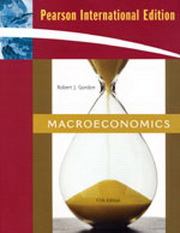
Macroeconomics(11版)
作者:
Gordon
分類:
外文書籍
/
綜論
出版社:
華泰文化
出版日期:2009/1/1
ISBN:0321552075
書籍編號:kk0209056
頁數:672
定價:
1160
元
書價若有異動,以出版社實際定價為準
暫停販售
暫無供應商:尋找供貨商中(也有可能出版社已結束)。
團購數最低為 20 本以上
評價數:
(請將滑鼠移至星星處進行評價)
目前平均評價:
文字連結
複製語法
<a href='https://www.silkbook.com/book_detail.asp?goods_ser=kk0209056'>Macroeconomics(11版)</a>
圖片連結
複製語法
<a href='https://www.silkbook.com/book_detail.asp?goods_ser=kk0209056'><img src='https://www.silkbook.com/mall_image/bk/kk0209056.jpg' ALT='Macroeconomics(11版)' height='120' width='90'></a>
分
享
內容簡介
同類推薦
<b><font color="#aa0000">內容簡介</font></b> Macroeconomics is widely praised for its ability to present theory as a way of evaluating key macro questions, such as why some countries are rich and others are poor. Gordon makes extensive use of data, international examples, and case studies throughout, and the Eleventh Edition incorporates critical developments in the field. New topics include the housing bubble and housing wealth, the effect of oil prices on the economy, and the purchase of dollar reserves by China to finance the U.S. import deficit. Students have a natural interest in what is happening today and what will happen in the near future. Macroeconomics capitalizes on their interest by beginning with business cycles and monetary-fiscal policy in both closed and open economy. After that, Gordon presents a unique dynamic analysis of demand and supply shocks as causes of inflation and unemployment, followed by a dual approach to economic growth in which theory and real-world examples are used to compare rich and poor countries. <b><font color="#aa0000">目錄</font></b> Part I: Introduction and Measurement Ch 1. What Is Macroeconomics? Ch 2. The Measurement of Income, Prices, and Unemployment Part II: Income, Interest Rates, Policy, and the Open Economy Ch 3. Spending, Income, and Interest Rates Ch 4. Monetary and Fiscal Policy in the IS-LM Model Ch 5. The Government Budget, Foreign Borrowing, and the Twin Deficits Ch 6. International Trade, Exchange Rates, and Macroeconomic Policy Part III: Aggregate Demand, Aggregate Supply, Unemployment and Inflation Ch 7. Aggregate Demand, Aggregate Supply, and the Self-Correcting Economy Ch 8. Inflation: Its Causes and Cures Ch 9. The Goals of Stabilization Policy: Low Inflation and Low Unemployment Part IV: Macroeconomics in the Long Run: Growth and Public Finance Ch 10. The Theory of Economic Growth Ch 11. The Big Questions of Economic Growth Ch 12. The Government Budget, the Public Debt, and Social Security Part V: Stabilization Policy in an Open Economy Ch 13. Money and Financial Markets Ch 14. Stabilization Policy in the Closed and Open Economy Part VI: Stability and Instability in the Private Economy Ch 15. The Economics of Consumption Behavior Ch 16. The Economics of Investment Behavior Part VII: Debates at the Macroeconomic Frontier Ch 17. New Classical Macro Confronts New Keynesian Macro Ch 18. Conclusion: Where We Stand
Drucker on
Financial
Wittgenste
The Mingji
Memories o
Bound Feet
A Medical
Prism Read
Prism Read
Prism Read
為了保障您的權益,新絲路網路書店所購買的商品均享有到貨七天的鑑賞期(含例假日)。退回之商品必須於鑑賞期內寄回(以郵戳或收執聯為憑),且商品必須是全新狀態與完整包裝(商品、附件、內外包裝、隨貨文件、贈品等),否則恕不接受退貨。