登入
|
註冊
|
會員中心
|
結帳
|
培訓課程
魔法弟子
|
自資出版
|
電子書
|
客服中心
|
智慧型立体會員
書名
出版社
作者
isbn
編號
5050魔法眾籌
|
NG書城
|
國際級品牌課程
|
優惠通知
|
霹靂英雄音樂精選
|
生產計劃的規劃與與執行
.
Performanc
.
Performanc
文學小說
文學
|
小說
商管創投
財經投資
|
行銷企管
人文藝坊
宗教、哲學
社會、人文、史地
藝術、美學
|
電影戲劇
勵志養生
醫療、保健
料理、生活百科
教育、心理、勵志
進修學習
電腦與網路
|
語言工具
雜誌、期刊
|
軍政、法律
參考、考試、教科用書
科學工程
科學、自然
|
工業、工程
家庭親子
家庭、親子、人際
青少年、童書
玩樂天地
旅遊、地圖
|
休閒娛樂
漫畫、插圖
|
限制級
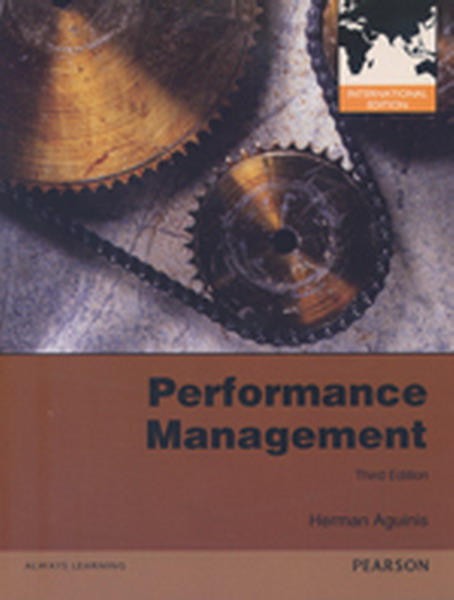
Performance Management(3版)
作者:
Aguinis
分類:
行銷企管
/
生產與品質管理
出版社:
華泰文化
出版日期:2012/1/1
ISBN:9780132974356
書籍編號:kk0322796
頁數:336
定價:
1000
元
書價若有異動,以出版社實際定價為準
暫停販售
暫無供應商:尋找供貨商中(也有可能出版社已結束)。
團購數最低為 20 本以上
評價數:
(請將滑鼠移至星星處進行評價)
目前平均評價:
文字連結
複製語法
<a href='https://www.silkbook.com/book_detail.asp?goods_ser=kk0322796'>Performance Management(3版)</a>
圖片連結
複製語法
<a href='https://www.silkbook.com/book_detail.asp?goods_ser=kk0322796'><img src='https://www.silkbook.com/mall_image/bk/kk0322796.jpg' ALT='Performance Management(3版)' height='120' width='90'></a>
分
享
內容簡介
書籍目錄
同類推薦
Performance Management(3版) What makes some businesses more successful than others? The answer: people. Organizations with motivated, talented employees that offer outstanding customer service are more likely to pull ahead of the competition. Performance Management is the first text to emphasize this key competitive advantage, showing students that success in today’s globalized business world can be found, not in technology and products, but in an organization’s people. The third edition includes updated and current information, and features over forty new cases. 1.Discover why success can be achieved through a business’s people: Research-based Findings and Up-to-date Applications are included throughout this text, showing students the numbers behind how to increase an organization’s human capital. 2.Expose the dynamic process to success: Performance Observation, Evaluation, and Improvement are ongoing processes, which is why this text shows students why it’s important to continue these practices throughout their managerial career. Overall, this text places an emphasis on best practices and describes the necessary steps to create a top-notch performance management system. 3.Go global: Incorporation of International Issues. In contrast to many other texts on the market, which include a separate chapter on international issues, this text integrates international issues throughout the material. This edition provides clear examples to support the global perspective, including: ˙Implementation of a performance management system in Ghana. ˙Integration of performance management and business strategy in organizations in Australia. ˙How to move away from traditional (i.e., seniority-based) performance management systems in collectivistic cultures like Korea and China. 4.NEW! Show the real-life importance: Over Forty New Cases. This edition includes a total of forty-three new case studies. In addition, the Instructors Manual includes approximately four more cases per chapter. 5.NEW! Focus on what matters: This edition has also enhanced the discussions on topics that are becoming more important in today’s business world, including: ˙Emphasis on stressing how performance management is relevant to all students, regardless of their major. ˙Increased focus on the interplay between science and practice in regards to performance management.
PART I: STRATEGIC AND GENERAL CONSIDERATIONS Ch 1 Performance Management and Reward Systems in Context Ch 2 Performance Management Process Ch 3 Performance Management and Strategic Planning PART II: SYSTEM IMPLEMENTATION Ch 4 Defining Performance and Choosing a Measurement Approach Ch 5 Measuring Results and Behaviors Ch 6 Gathering Performance Information Ch 7 Implementing a Performance Management System PART III: EMPLOYEE DEVELOPMENT Ch 8 Performance Management and Employee Development Ch 9 Performance Management Skills PART IV: REWARD SYSTEMS, LEGAL ISSUES, AND TEAM PERFORM-ANCE MANAGEMENT Ch10 Reward Systems and Legal Issues Ch11 Managing Team Performance
輝瑞登月任務:拯救人
疫苗商戰:新冠危機下
跳脫建構陷阱:產品管
智能製造與品管運作
Principles
直擊工廠生產線!透鏡
APIS:先進生產改
麥肯錫都用這8招做到
超好懂商業入門 生產
超好懂商業入門:品質
為了保障您的權益,新絲路網路書店所購買的商品均享有到貨七天的鑑賞期(含例假日)。退回之商品必須於鑑賞期內寄回(以郵戳或收執聯為憑),且商品必須是全新狀態與完整包裝(商品、附件、內外包裝、隨貨文件、贈品等),否則恕不接受退貨。