登入
|
註冊
|
會員中心
|
結帳
|
培訓課程
魔法弟子
|
自資出版
|
電子書
|
客服中心
|
智慧型立体會員
書名
出版社
作者
isbn
編號
5050魔法眾籌
|
NG書城
|
國際級品牌課程
|
優惠通知
|
霹靂英雄音樂精選
|
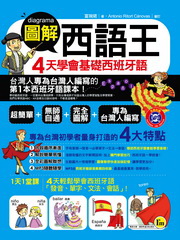
圖解西語王:4天學會基礎西班牙語(附MP3)
.
當代中文課程教師手冊
.
當代中文課程教師手冊
.
當代中文課程作業本
文學小說
文學
|
小說
商管創投
財經投資
|
行銷企管
人文藝坊
宗教、哲學
社會、人文、史地
藝術、美學
|
電影戲劇
勵志養生
醫療、保健
料理、生活百科
教育、心理、勵志
進修學習
電腦與網路
|
語言工具
雜誌、期刊
|
軍政、法律
參考、考試、教科用書
科學工程
科學、自然
|
工業、工程
家庭親子
家庭、親子、人際
青少年、童書
玩樂天地
旅遊、地圖
|
休閒娛樂
漫畫、插圖
|
限制級
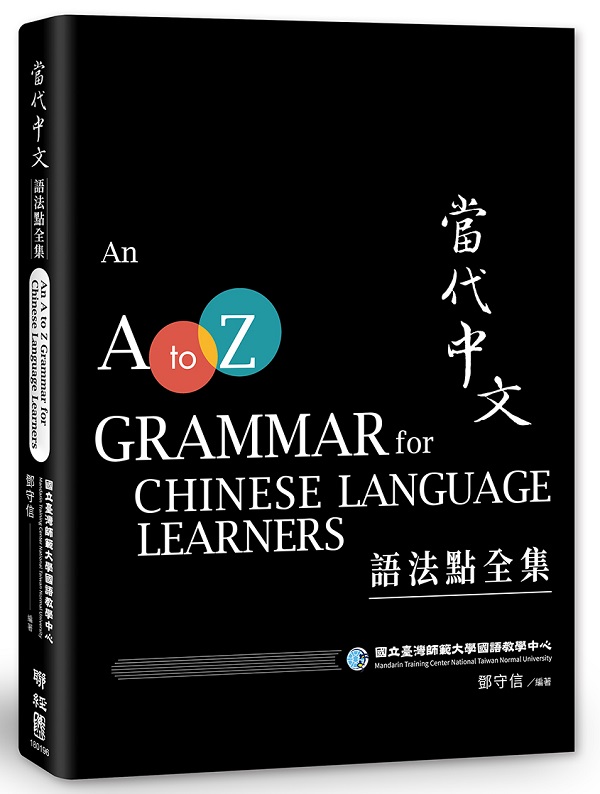
當代中文語法點全集(二版)An A to Z Grammar for Chinese Language Learners
作者:
鄧守信
分類:
語言工具
/
其他語言
叢書系列:Linking Chinese
出版社:
聯經
出版日期:2019/5/24
ISBN:9789570853179
書籍編號:kk0488044
頁數:408
定價:
600
元
優惠價:
79
折
474
元
書價若有異動,以出版社實際定價為準
絕版書
絕版書:確定不再版的商品,僅提供書籍資訊參考。
評價數:
(請將滑鼠移至星星處進行評價)
目前平均評價:
文字連結
複製語法
<a href='https://www.silkbook.com/book_detail.asp?goods_ser=kk0488044'>當代中文語法點全集(二版)An A to Z Grammar for Chinese Language Learners</a>
圖片連結
複製語法
<a href='https://www.silkbook.com/book_detail.asp?goods_ser=kk0488044'><img src='https://www.silkbook.com/mall_image/bk/kk0488044.jpg' ALT='當代中文語法點全集(二版)An A to Z Grammar for Chinese Language Learners' height='120' width='90'></a>
分
享
內容簡介
作者介紹
書籍目錄
同類推薦
當代中文語法點全集(二版)An A to Z Grammar for Chinese Language Learners 內容簡介 全書共 345 條現代漢語實用語法點 適合不同階段的中文學習者 華語教學界泰斗──鄧守信教授畢生之研究精華與實踐 華語教學權威──國立臺灣師範大學國語教學中心策劃 從功能語法詮釋,幫助學習者了解何時使用與使用的情境, 並介紹這些結構,包含肯定、否定、疑問等形式 提醒學習者各語法點使用時應注意的地方 有效整理、比較所有重要語法點,釐清語法觀念 本書特色 語法點由 A~Z 編排,方便查找搜尋 語法點範圍涵蓋基礎(Basic)到高階(Advanced)程度 全書中文例句或漢字均附有漢語拼音及英文翻譯 每個語法點詳列:功能、結構、用法,完整介紹該語法 每個語法點提供多個典型例句,幫助理解使用的情境 能使學習者快速理解語法形式及結構,了解怎麼用、什麼時候用,以 及用在什麼地方 華語教師、中文學習者必備的工具書 可搭配任何中文學習教材參考使用 Features: 345 entries of modern Chinese grammar, arranged alphabetically by Hanyu Pinyin. Designed specifically for Chinese language learners of all levels. Grammatical entries include three subsections: Function, Structure and Usage. (1) The Function section answers the questions ‘What is the purpose of this grammar item?’ and ‘How do native speakers use it?’ (2) The Structure section explains grammar points, including descriptions of negative and interrogative structures, so that learners can become skilled at making sentences using negative structures and asking questions. (3) A Usage section is provided when applicable to compare and contrast structures found in the Chinese and English languages. This reference guide can give learners a clear understanding of grammar points and help them master Chinese. Excellent companion to any Chinese learning textbook.
目錄 A A-not-A Questions Answering Questions in Chinese 按照, ànzhào, (Prep), in accordance with B 吧, ba, (Ptc), Making Suggestions 把, bǎ, (Ptc), To Dispose of Something (1) 把, bǎ, (Ptc), Moving an Object to a Location (2) 把, bǎ, (Ptc), with V1V2V3 (3) 把, bǎ, (Ptc), V (一) V, Disposal with Verb Reduplication (4) 把, bǎ, (Ptc), with Resultative Complements (5) 把, bǎ, (Ptc), Unintentional Event (6) 把 A 當做 B, (bǎ A dàngzuò B), to treat or take A as B (7) 白, bái, (Adv), in vain, all for nothing 幫, bāng, (Prep), on behalf of 被, bèi, (Ptc), A Passive Marker (See 受 shòu entry also) 比, bǐ, (Prep), Comparison (1) 比, bǐ, (Prep), Intensifying a State with 一 M 比 一 M, more and more X, more X than the last (2) 比較, bǐjiào, (Adv), Implicit Comparison (3) 比起來, bǐqǐlái, Comparison (4) 畢竟, bìjìng, (Adv), after all, to Urge Concession 別的, biéde, other 別再⋯了,bié zài…le, stop doing it 並, bìng, (Adv), 並 + Negation, Contrary to Expectation 不, bù, vs. 沒, méi, Negation (1) 不, bù, Negative Potential Complement (2) -部-bù, or -邊-biān, Locative Markers 不但 A,還 B, (búdàn (Conj) A, hái (Adv) B), not only A, but also B 不但 A,而且 B, (búdàn (Conj) A, érqiě (Conj) B), not only A but also B 不到, búdào, less than 不得不, bùdébù, have no choice but to… 不管 A 都 B, (bùguǎn (Conj) A dōu (Adv) B), regardless of whether or not 不見得, bújiàndé, (Adv), not necessarily 不禁, bùjīn, (Adv), uncontrollably, cannot help but… 不如, bùrú, (Vst), not as good as 不是, búshì, Negation 不是 A 就是 B, (bú shì A jiù shì B), if it’s not A, then it’s B 不是 A,而是 B, (bú shì A, ér shì B), not A ; rather B 不說, bùshuō , in S1 不說,S2 也yě, not merely, but also (complaining) 不太, bútài, not very 不停, bù tíng, as in Verb + 個不停, keep on 不再⋯了, (bú zài…le), not…any more 不只, bùzhǐ, (Adv), not merely, exceeding 不至於, bùzhìyú, (Adv), but the situation would not be so bad as to… C 才, cái, (Adv), merely, only (1) 才, cái, (Adv), longer/later than expected (2) 才, cái, (Adv), then and only then (3) 才, cái, (Adv), to outrightly deny (4) 才 A 就 B, (cái A jiù B), only just A, and B already (5) 曾經, céngjīng, (Adv), experience in the past, V’ed before 差不多, chàbùduō, (Vs, Adv), In Various Functions 差一點(就), chàyīdiǎn (jiù), (Adv), almost 趁, chèn, (Prep), seize the moment 成, chéng, (Ptc), as Verb Complement, to become, to turn into (1) 成, chéng, (Ptc), As a verb complement, successful(ly) (2) 成語, chéngyǔ, 四字格, Four-Character Phrases 出, chū, (Ptc), Verb Particle, to have emerged 出來, chūlái, as Verb Complement, to figure out 除了 A,還 B, (chúle (Prep) A , hái (Adv) B), in addition to Complement of Intensification in Comparison Structures (1) Complements, 極了jíle, 得不得了de bùdéliǎo, 得很de hěn, terribly, extremely (2) 從 A 到 B, (cóng (Prep) A dào (Prep) B), from A to B 從 A 往 B, (cóng (Prep) A wǎng (Prep) B), go A from B 從⋯起, (cóng (Prep)…qǐ (Ptc)), starting from… 從來, cónglái, (Adv), 從來 + Negation, never D 當⋯的時候, (dāng…de shíhòu), when, while, at the time of 到, dào, (Prep), Destination Marker (1) 到, dào, (Prep), Destination Marker for Movement Verbs (2) 到, dào, (Prep), Post-verbal Preposition, up to, till (3) 到, dào, (Ptc), as Verb Complement, to be successful in… (4) 到底, dàodǐ, (Adv), after all? how on earth…? 倒是, dàoshì, (Adv), on the other hand 得, de, (Ptc), Complement Marker (1) 得, de, (Ptc), Complement Marker, used in comparing the results of actions (2) 得, de, (Ptc), Complement Marker, so…that… (3) 得, de, (Ptc), Positive Potential Complement Marker (4) (See 不(2)) 的, de, (Ptc), Possessive Marker (1) 的, de, (Ptc), Modifier Marker (2) 的, de, (Ptc), with the Head Noun Omitted (3) 的, de, (Ptc), to Mark Assurance, co-occuring often with會 huì (Vaux) (4) 的話, de huà, if, supposing 的時候, de shíhòu, when, at the time of 等, děng, (Ptc), enumeration particle, etc… 等 A 就 B,(děng A jiù B), when A comes, then B 的確, díquè, (Adv), indeed 掉, diào, (Ptc), Verb Particle, separated from Directional Constructions V1V2 and V1V2V3 Disposal Construction (See 把bǎ,1-7) 懂, dǒng, (Vs, Vp), Complement Indicating Cognitive Ability as a Result 動, dòng, (Vp), used as a verb complement, capable of causing movement 動不動就, dòngbùdòng jiù, whenever one pleases to do something impetuously 都, dōu, (Adv), totality, all (1) 都, dōu, (Adv), expressing displeasure, annoyance or surprise (2) 對, duì , (Prep), towards 對 A 有B, (duì (Prep) A yǒu (Vs) B), to be B in A 對⋯來說, (duì (Prep)…lái shuō), as far as...is concerned, for 對⋯講究, (duì (Prep) …jiǎngjiù (Vst)), to be discerning, discriminating, particular about 對於, duìyú, (Prep, Ptc), towards, regarding (1) 對於⋯而言, (duìyú (Prep)…ér yán), as far as… is concerned (2) 多, duō, (Vs), more than, over, and some (1) 多, duō, (Adv), as in 多+Verb, more… than planned (2) 多, duō, (Adv), intensifying, how…! (3) 多少, duōshǎo, (Adv), likely, at least E 而且, érqiě, (Conj), furthermore Existential Sentence with Posture Verbs (1) Existential Sentence with有yǒu (2) F 反而, fǎn’ér, (Adv), on the contrary 反正, fǎnzhèng, (Adv), at any rate, anyway 方面, fāngmiàn, (N), as in 在⋯方面, with respect to; regarding 非⋯不可, (fēi…bùkě), it is imperative that 否則, fǒuzé, (Conj), otherwise Four-Character Phrases (See 成語chéngyǔ,) G V 個夠, V ge gòu, to have a full dosage of an activity 各 V 各的, (gè V gè de), each doing her/his own… 給, gěi, (Prep), Various Meanings (1) 給, gěi, (Prep), Indirect Object Marker (2) 給⋯帶來, (gěi (Prep)…dàilái), to bring…to (3) 跟, gēn, (Prep), Companionship (1) 跟, gēn, (Prep), Various Meanings of the Preposition (2) 跟⋯一樣, (gēn (Prep)…yíyàng), Comparison 跟 B 有關的 A, (gēn (Prep) B yǒuguān de A), A that relates to B, A that concern B 根本, gēnběn, (Adv), not…at all, absolutely not 更, gèng, (Adv), Intensification in Comparison, even more so 更別說 B 了, (gèng bié shuō B le), let alone, never mind 慣, guàn, (Ptc), indicating ‘getting used to a routine’ 光 A 就 B, (guāng (Adv) A jiù (Adv) B), just A alone… 關於, guānyú, (Vs, Ptc), about, regarding 過, guò, (Ptc), Experience Aspect (1) 過, guò, (Ptc), Phase Aspect Marker, Completion of Action (2) H 還, hái, (Adv), still (unchanged, incomplete) (1) 還, hái, (Adv), to my surprise (2) 還是 A 吧, (háishì (Adv) A ba (Ptc)), it will be better if A, it would be best if A 好, hǎo, as in 好+Verb, nice to, easy to (1) 好, hǎo, (Ptc), as Verb Complement, all set and ready (2) 好不容易, hǎobù róngyì , (idiom), only after a tremendous amount of... 何必, hébì, (Adv), why must 何況, hékuàng, (Adv), let alone, no need to mention 很, hěn, (Adv), Intensification Marker 恨不得, hènbùdé, one really wishes one could… 後來, hòulái, (Adv), next in sequence 會, huì, (Vaux), aquired skills, can, able to (1) 會, huì, (Vaux), likelihood (2) 會, huì, (Vaux), as Verb Complement (3) J 既 A 又 B, (jì (Adv) A yòu (Adv) B), not only A, but also B 既然 A 就 B, (jìrán (Conj) A jiù (Adv) B), Concession, since A then B 見, jiàn, (Ptc), as Verb Complement, perceived 漸漸, jiànjiàn, (Adv), gradually, slowly 簡直, jiǎnzhí, (Adv), to put it simply and plainly, it seems as if 叫, jiào, (V), Imperative Verb 結果, jiéguǒ, (Adv), consequently, (Conj), in the end 幾乎, jīhū, (Adv), almost 經過, jīngguò, (Prep), after 竟然, jìngrán, (Adv), to the speaker’s great surprise, unbelievably 就, jiù, (Adv), sooner than expected (1) 就, jiù, (Adv), in V了A 就 B ,(V le A jiù B), do B right after doing A (2) 就, jiù, (Adv), on the contrary (3) 就算 S1,也 S2, (jiùsuàn S1, yě S2), even if S1, would S2, no matter how 就要⋯了, (jiù yào… le), will soon 究竟, jiùjìng, (Adv), I wonder 居然, jūrán, (Adv), to one’s surprise K 看, kàn, (V), as in V V 看, to try and see, to try out (1) 看, kàn, (V), depend on (2) 靠, kào, (V / Prep), to rely on, by means of 可, kě, (Adv), but on the other hand, stating a mild warning 可見, kějiàn, (Conj), it can thus be concluded that… 可以, kěyǐ, (Vaux), Permission (1) 可以, kěyǐ, (Vaux), Possibility (2) 恐怕, kǒngpà, (Adv), probably, I’m afraid that 快一點, kuài yìdiǎn, hurry up L 來, lái, (V), as in 來 + VP, to come to do something (1) 來, lái, as a verb complement, to get along well, to be able to relate to each other well (2) 了1, le, (Ptc), Completed Action (1) 了1 , le, (Ptc), Followed by Time-Duration (2) 了2, le, (Ptc), Change in Situation (3) 了2 , (Ptc), in 快⋯了, kuài…le, about to (4) 了1⋯了2, (le (Ptc)… le (Ptc)), Completion-to-date (5) 離, lí, (Prep), distance from 離合詞, líhécí, Separable Verbs 連 A 都 B, (lián (Prep) A dōu (Adv) B), even 了, liǎo, (Ptc), as Verb Complement, capability 另外的, lìngwài de, another (See 別的biéde) 亂, luàn, (Adv), as in 亂+Verb, to do somethng in an irresponsible manner risking undersirable consequences M 嗎, ma, (Ptc), Asking Questions (1) 嗎, ma, (Ptc), Confrontational (2) 嘛, ma, (Ptc), isn’t it obvious that 滿, mǎn, (Vs), as Verb Complement, crowded with (1) 滿, mǎn, (Vpt), to reach a ceiling (2) Measures, (nominal), Units for Counting Nouns in Chinese (1) Measures, (verbal), 下 xià, 趟 tàng, 遍biàn, and 次cì (2) Measure 一M一M as Manner, one at a time 沒有, méi yǒu, as used in Inferior Comparison 每, měi, (Det), each and every (1) 每, měi, (Det), as in 每+Time Expression, Frequency (2) 免得, miǎnde, (Adv), lest, so as to avoid 明明, míngmíng, (Adv), it should be obvious to everyone that… Multiple Verb Phrases N 拿⋯來說, (ná (Prep)…lái shuō), take…as an example 哪裡, nǎlǐ, (Adv), rhetorical question 難, nán, as in 難 + Verb, Special Meanings (See 好 (1)) 難道, nándào, (Adv), how could it possibly be true 難得, nándé, (Adv), rarely 難怪, nánguài, (Adv), no wonder 難免, nánmiǎn, (Adv), inevitably, it is only natural that 難以, nányǐ, (Vaux), to find it difficult to… 呢, ne, (Ptc), Contrastive tag Questions 能1, néng, (Vaux), Capability (1) 能2, néng, (Vaux), Permission (2) 能3, néng, (Vaux), Possibility (3) 寧可 A 也要 B, (níngkě (Adv) A, yě (Adv) yào (Vaux) B), would rather A , in order to B 弄, nòng, (V), General Pro-Verb (1) 弄, nòng, (V), General Causative Verb (2) O Omission of Nouns at 2nd Mention P 偏偏, piānpiān, (Adv), contrary to expectation, deliberately, annoyingly Pronouns Interrogative to Refer to All-inclusion or All- exclusion (1) Pronouns Interrogative in Non-committal Stance (2) Q 起, qǐ, (Ptc), as Verb Complement, to be able to afford (1) 起, qǐ, (Ptc), as Verb Particle, to touch upon (2) 起來, qǐlái, as Verb Complement, assessment of situations (1) 起來, qǐlái, as Verb Complement in 想起來xiǎngqǐlái, to have remembered (2) 起來, qǐlái, as Verb Complement, with inchoative meaning (3) 其他的, qítā de, the others (See 別的biéde) 去, qù, (Vi), as in 去+VP, to go do something 卻, què, (Adv), however R 讓, ràng, (V), to let someone do something 然後, ránhòu, (Adv), next in sequence (See 後來hòulái) Reduplication of Verbs, to indicate softened action (1). Reduplication of State Verbs for Intensification (2) Reduplication of Disyllabic State Verbs (3) Reduplication of Disyllabic Verbs for Tentative Action (4) Reduplication of Verbs in V了V (5) Relatve Clause A 的 B, Clause as Modifier of Noun 仍然, réngrán, (Adv), still the same, same as before Repetition of Verbs, as in V 來 V 去, (V lái V qù) , repetitively, back and forth S Separable Verbs (See 離合詞líhécí,) 似乎, sìhū, (Adv), it seems that, it gives somebody the impression that 所, suǒ, (Ptc), Verb Marker 上, shàng, (V), Various Meanings of the Verb (1) 上, shàng, (Ptc), as Verb Complement, coming into contact (2) 上, shàng, (Ptc), as in 在 NP 上, regarding NP (3) 少, shǎo, (Adv), as in 少+Verb, less… than planned (See 多 (2)) 誰知道, sheí zhīdào, who would have thought that…? 什麼都⋯,就是⋯, (shénme dōu…, jiùshì…), everything but… 甚至, shènzhì, (Adv), even 是, shì, (Ptc), it is indeed true that 是⋯的, shì…de, to Focus, it was A that B 是不是, shìbúshì, is it the case that…? 使得, shǐde, (Vst), expressing causation, so as to make 受, shòu, (Vst), a Passive Marker (see also 被bèi entry) 受到⋯影響, (shòudào…yǐngxiǎng), to be influenced by, affected by 說, shuō, (V), speak, vs. 談, tán, (V), talk 說到, shuōdào, talking of 說 A 就 A, (shuō A jiù A), happening instantly without prior warning 死了, sǐle, A Post-Verbal Intensifier, terribly 四字格, sìzìgé, Four-Character Phrases (See 成語chéngyǔ) 算了, suànle, forget it, drop it 算是, suànshì, (V), can be considered… 隨著S1,S2 也, (suízhe (Prep) S1, S2 yě (Adv)), as a consequence of T 太⋯了, tài (Adv)…le, overly, excessively 談, tán, (V), talk, vs. 說, shuō, (V), speak (See 說shuō) 談到, tándào, talking of (See 說到shuōdào) Time and Place of Events (1) Time-When vs. Time-Duration (2) Time-Duration ‘for a period of time’ (3) Topic in Sentence (1) Topic as Contrastive (2) 透過, tòuguò, (Prep), by means of W 完, wán, (Ptc), as Verb Complement, completion of action 萬一, wànyī, (Adv), supposing, in the event of something negative 往往, wǎngwǎng, (Adv), usually, tend to 為, wèi, (Prep), Beneficiary Marker, beneficiary of an action 為了, wèile, (Prep), in order to 無論 A 都 B, (wúlùn (Conj) A dōu (Adv) B), regardless of what… 無所謂, wúsuǒwèi, (Vs), does not matter X 下, xià, (Ptc), as Verb Complement, enough space to accommodate 下來, xiàlái, a summary of the various meanings of the verb complement下來 下去, xiàqù, as Verb Complement, to keep on doing something 先 A 再 B, (xiān (Adv) A zài (Adv) B), first A, and then B 向, xiàng, (Prep), to, toward A 像 B 一樣, (A xiàng B yíyàng), A is just like B 像…的+ Noun, (xiàng…de + Noun), such (nouns) as 幸虧, xìngkuī, (Adv), fortunately Y 要是 A 就 B, (yàoshì A jiù B), Condition and Consequence 以, yǐ, (Prep), classical Chinese, indicating instrument 以後, yǐhòu, (N), in the future, after (Also see 後來hòulái) 以及, yǐjí, (Conj), as well as 以內, yǐnèi, within 一A 就 B, (yì A jiù B), as soon as 一般來說, yìbān láishuō, generally speaking 一邊 A 一邊 B, (yìbiān A yìbiān B), connecting two simultaneous events, doing A and B at the same time 一點, yìdiǎn, (N), a bit, a little 一點也不 V, (yìdiǎn yě bù V), emphatic negation 一方面 A,一方面 B, (yì fāngmiàn A, yì fāngmiàn B), doing A on the one hand, B on the other 一口氣, yìkǒuqì, in one breath, without interruption 一來 A,二來 B, (yìlái A, èrlái B), on the one hand A, and on the other B; firstly A, secondly B 一連, yìlián, (Adv), without interruption, in rapid succession 一下 A,一下 B, (yíxià A, yíxià B), referring to alternating events 一向, yíxiàng, (Adv), all along, has always… 以為, yǐwéi, (Vst), to have wrongly thought that … 因為 A,所以 B, (yīnwèi (Conj) A, suǒyǐ (Conj) B), to express cause and effect 因為 A 才 B, (yīnwèi (Conj) A cái (Adv) B), only because A, B…; B is true, only since A is like this 因為 NP,S…, (yīnwèi (Prep) NP, S…), because of NP, S… 因為 A 而 B, (yīnwèi (Conj) A ér (Adv) B), therefore, consequently 由, yóu, (Prep), Introducing an Agent, an Actor 尤其是, yóuqí shì, especially 有, yǒu, (Vst), to possess, to have, to own (1) 有, yǒu, (Vs), in Existential Sentence, there’s… (2) (See Existential Sentence with 有) 有, yǒu, (Vs), to mark the existence of a subject, there’s someone, there’s something… (3) 有時候 A, 有時候 B, (yǒu shíhòu A, yǒu shíhòu B), sometimes A, and sometimes B 有一點, yǒu yìdiǎn, slightly 有助於, yǒu zhù yú, be conducive to 又A又B, (yòu (Adv) A yòu (Adv) B), both A and B 與其 A,不如 B, (yǔqí (Conj) A, bùrú (Conj) B), would rather B than A 於是, yúshì, (Conj), thus, consequently, thereupon 越 A 越 B, (yuè (Adv) A yuè (Adv) B), the more A, the more B Z 在, zài, (Prep), Locative Marker, at, located at, situated at (1) 在, zài, (Prep), Marking the Location of an Activity (2) 在, zài, (Vs), Progressive, On-going Actions, at Ving, is in the middle of V+ing (3) 在, zài, as Verb Complement, Resultant Location (4) 在⋯方面, (zài...fāngmiàn), with respect to; regarding (See 方面fāngmiàn) 在⋯下, (zài…xià), under the…, due to the… 再 A 也 B, (zài A yě B), no matter how A, still B 再不 A 就 B 了, (zài bù A jiù B le),urgent conditional, if A doesn’t happen now, B is sure to follow 再加上, zài jiāshàng, furthermore 再說, zàishuō, (Conj), besides, moreover 早就⋯了, (zǎo jiù…le), long since… 怎麼, zěnme, (Adv), asking how, asking about a manner of doing things, how, in what way 怎麼這麼, zěnme zhème, why so…? 占, zhàn, (Vst), to constitute 照, zhào, (Adv), deliberately, persist in 這麼說, zhème shuō, that being the case, in that case 這下子, zhèxiàzi, that being the case, as a consequence 這樣一來, zhèyàng yìlái, that being the case, that way 著, zhe, (Ptc), ongoing, continuative action, in the state of V+ing (1) 著, zhe, (Ptc), used in Manner of an Action (2) 著, zhe, (Ptc), repeated, as in V 著 V 著,就⋯了, (V zhe V zhe, jiù…le), while doing A, B happens (3) V 著玩, V zhe wán, do something just for fun 只不過⋯(而已), (zhǐ bùguò…(éryǐ)), merely…; nothing more than… 只好, zhǐhǎo, (Adv), concession, could only, have no choice but to 只要 A,就 B, (zhǐyào (Conj) A, jiù (Adv) B), B is true, as long as A is true. 只有 A,才 B, (zhǐyǒu A, cái B), cannot B, unless A 至於, zhìyú, (Ptc), introducing a new topic, as to, as far as… is concerned 中, zhōng, a summary of the various meanings 自, zì, (Prep), from (formal) 自從⋯以後, (zìcóng (Prep)…yǐhòu (N)), ever since... 總是, zǒngshì, (Adv), always, in all cases, without exception 總算, zǒngsuàn, (Adv), finally 走, zǒu, (Ptc), as a Verb Particle, away 索引
新韓檢TOPIK I
越南語完全自學手冊(
手寫泰語單字記憶法:
追星應援必備!超可愛
台語講予伊紲拍:台詩
台語講予伊鬥句:台詩
首爾大學韓國語+3A
首爾大學韓國語+3A
實用西語,一本搞定!
手寫韓語單字發音記憶
為了保障您的權益,新絲路網路書店所購買的商品均享有到貨七天的鑑賞期(含例假日)。退回之商品必須於鑑賞期內寄回(以郵戳或收執聯為憑),且商品必須是全新狀態與完整包裝(商品、附件、內外包裝、隨貨文件、贈品等),否則恕不接受退貨。