登入
|
註冊
|
會員中心
|
結帳
|
培訓課程
魔法弟子
|
自資出版
|
電子書
|
客服中心
|
智慧型立体會員
書名
出版社
作者
isbn
編號
5050魔法眾籌
|
NG書城
|
國際級品牌課程
|
優惠通知
|
霹靂英雄音樂精選
|
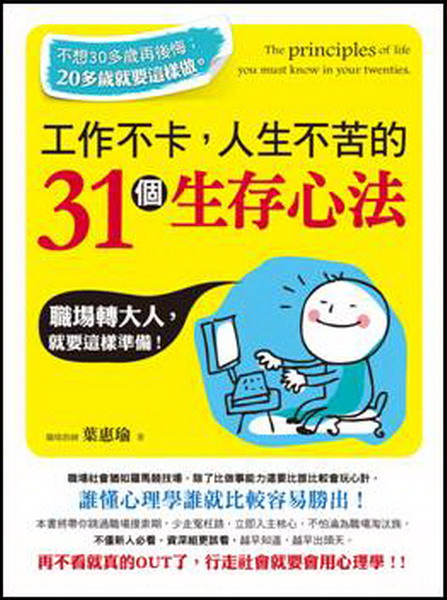
!工作不卡,人生不苦的31個生存心法
.
Performanc
.
Performanc
文學小說
文學
|
小說
商管創投
財經投資
|
行銷企管
人文藝坊
宗教、哲學
社會、人文、史地
藝術、美學
|
電影戲劇
勵志養生
醫療、保健
料理、生活百科
教育、心理、勵志
進修學習
電腦與網路
|
語言工具
雜誌、期刊
|
軍政、法律
參考、考試、教科用書
科學工程
科學、自然
|
工業、工程
家庭親子
家庭、親子、人際
青少年、童書
玩樂天地
旅遊、地圖
|
休閒娛樂
漫畫、插圖
|
限制級
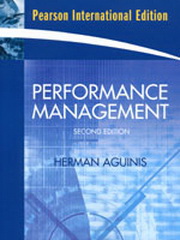
Performance Management(二版)
作者:
Aguinis
分類:
行銷企管
/
企管•資訊科技
出版社:
華泰文化
出版日期:2009/1/1
ISBN:0138146918
書籍編號:kk0208939
頁數:296
定價:
860
元
書價若有異動,以出版社實際定價為準
暫停販售
暫無供應商:尋找供貨商中(也有可能出版社已結束)。
團購數最低為 20 本以上
評價數:
(請將滑鼠移至星星處進行評價)
目前平均評價:
文字連結
複製語法
<a href='https://www.silkbook.com/book_detail.asp?goods_ser=kk0208939'>Performance Management(二版)</a>
圖片連結
複製語法
<a href='https://www.silkbook.com/book_detail.asp?goods_ser=kk0208939'><img src='https://www.silkbook.com/mall_image/bk/kk0208939.jpg' ALT='Performance Management(二版)' height='120' width='90'></a>
分
享
內容簡介
同類推薦
<b><font color="#aa0000">內容簡介</font></b> For courses in Performance Appraisal, Compensation Management, & Training and Development. Performance Management, 2/e, is the first text to emphasize that the key competitive advantage in today’s globalized world lies, not in technology and products, but in its PEOPLE. In today’s globalized world it is easy to gain access to the competition’s technology and products. What is it then, that makes some businesses more successful than others? What is today’s key competitive advantage? In this text, the answer is people. Organizations with motivated and talented employees offering outstanding service to customers are likely to pull ahead of the competition, even if the products offered are similar to those offered by the competitors. This text is about the design and implementation of successful performance management systems. ‧Performance Management is a continuous process of identifying, measuring, and developing the performance of individuals and teams and aligning performance with the strategic goals of the organization; Pg. 77 .Focuses on research-based findings and up-to-date applications that help increase an organization’s human capital; Pg. 84 .Performance observation, evaluation, and improvement are ongoing processes, some concepts and practices may be introduced early on in a cursory manner first but receive more detailed treatment in later sections; Pg. 94 .Emphasis on best practices and describes the necessary steps to create a top-notch performance management system; Pg. 206 <b><font color="#aa0000">目錄</font></b> Ch 1. Performance Management and Reward Systems in Context Ch 2. Performance Management Process Ch 3. Performance Management and Strategic Planning Ch 4. Defining Performance and Choosing a Measurement Approach Ch 5. Measuring Results and Behaviors Ch 6. Gathering Performance Information Ch 7. Implementing a Performance Management System Ch 8. Performance Management and Employee Development Ch 9. Performance Management Skills Ch 10. Reward Systems and Legal Issues Ch 11. Managing Team Performance
ESG企業永續發展創
2022真永是真:真
上班必學的100分回
責任型思維,從態度到
管理學(Jones/
利他一心
Fundamenta
資通安全法合規研究與
Fundamenta
作業管理(Jacob
為了保障您的權益,新絲路網路書店所購買的商品均享有到貨七天的鑑賞期(含例假日)。退回之商品必須於鑑賞期內寄回(以郵戳或收執聯為憑),且商品必須是全新狀態與完整包裝(商品、附件、內外包裝、隨貨文件、贈品等),否則恕不接受退貨。