登入
|
註冊
|
會員中心
|
結帳
|
培訓課程
魔法弟子
|
自資出版
|
電子書
|
客服中心
|
智慧型立体會員
書名
出版社
作者
isbn
編號
5050魔法眾籌
|
NG書城
|
國際級品牌課程
|
優惠通知
|
霹靂英雄音樂精選
|
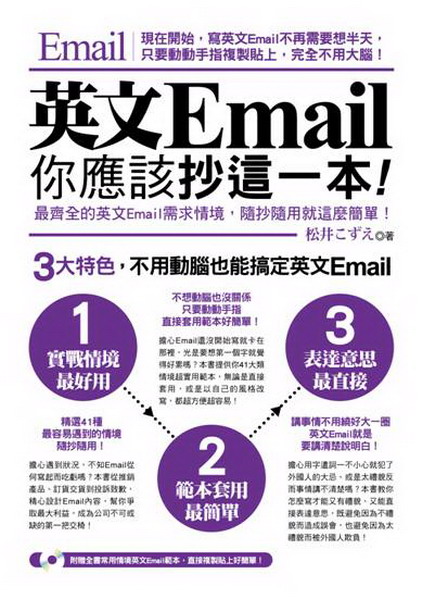
英文Email,你應該抄這一本!:(超值光碟附贈全書常用情境英文Email範本,直接複製貼上好簡單!)
.
Examining
.
Introducti
.
Multilingu
文學小說
文學
|
小說
商管創投
財經投資
|
行銷企管
人文藝坊
宗教、哲學
社會、人文、史地
藝術、美學
|
電影戲劇
勵志養生
醫療、保健
料理、生活百科
教育、心理、勵志
進修學習
電腦與網路
|
語言工具
雜誌、期刊
|
軍政、法律
參考、考試、教科用書
科學工程
科學、自然
|
工業、工程
家庭親子
家庭、親子、人際
青少年、童書
玩樂天地
旅遊、地圖
|
休閒娛樂
漫畫、插圖
|
限制級
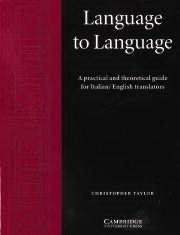
Language to Language
作者:
Taylor
分類:
語言工具
/
英語進修
出版社:
劍橋大學出版社
出版日期:1998/1/1
ISBN:0521597234
書籍編號:kk0206678
頁數:350
定價:
760
元
書價若有異動,以出版社實際定價為準
暫停販售
暫無供應商:尋找供貨商中(也有可能出版社已結束)。
團購數最低為 20 本以上
評價數:
(請將滑鼠移至星星處進行評價)
目前平均評價:
文字連結
複製語法
<a href='https://www.silkbook.com/book_detail.asp?goods_ser=kk0206678'>Language to Language</a>
圖片連結
複製語法
<a href='https://www.silkbook.com/book_detail.asp?goods_ser=kk0206678'><img src='https://www.silkbook.com/mall_image/bk/kk0206678.jpg' ALT='Language to Language' height='120' width='90'></a>
分
享
內容簡介
同類推薦
<b><font color="#aa0000">內容簡介</font></b> Language to Language is for students of English/Italian translation and practising translators. Part One provides a theoretical background, examining the relevance of the study of lexis, semantics, pragmatics, culture, stylistics and genre to translation. This section includes numerous practical examples of how the translator's thought processes are brought to bear to solve translation problems in specific texts. Part Two contains a wide selection of texts prepared for pre-translation analysis and translation proper.
必學英文單字 一學就
100%滿分命中奇蹟
為什麼英語會這樣說?
只背會考的!新多益滿
Animal Far
關鍵英單 3:108
原來如此!英文的「為
雪豹王國(25K彩圖
自學英文文法看完這本
Enjoy Your
為了保障您的權益,新絲路網路書店所購買的商品均享有到貨七天的鑑賞期(含例假日)。退回之商品必須於鑑賞期內寄回(以郵戳或收執聯為憑),且商品必須是全新狀態與完整包裝(商品、附件、內外包裝、隨貨文件、贈品等),否則恕不接受退貨。