登入
|
註冊
|
會員中心
|
結帳
|
培訓課程
魔法弟子
|
自資出版
|
電子書
|
客服中心
|
智慧型立体會員
書名
出版社
作者
isbn
編號
5050魔法眾籌
|
NG書城
|
國際級品牌課程
|
優惠通知
|
霹靂英雄音樂精選
|
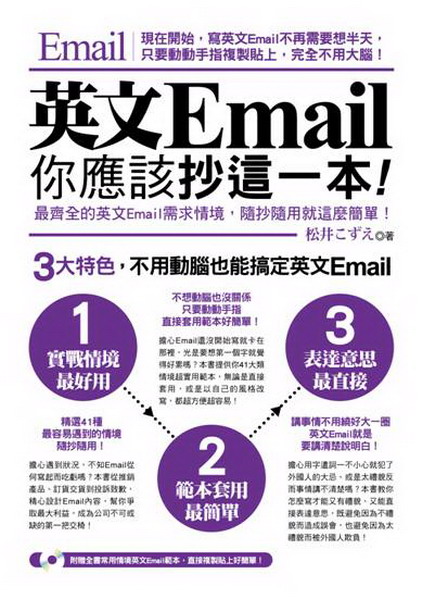
英文Email,你應該抄這一本!:(超值光碟附贈全書常用情境英文Email範本,直接複製貼上好簡單!)
.
OPERATING
文學小說
文學
|
小說
商管創投
財經投資
|
行銷企管
人文藝坊
宗教、哲學
社會、人文、史地
藝術、美學
|
電影戲劇
勵志養生
醫療、保健
料理、生活百科
教育、心理、勵志
進修學習
電腦與網路
|
語言工具
雜誌、期刊
|
軍政、法律
參考、考試、教科用書
科學工程
科學、自然
|
工業、工程
家庭親子
家庭、親子、人際
青少年、童書
玩樂天地
旅遊、地圖
|
休閒娛樂
漫畫、插圖
|
限制級
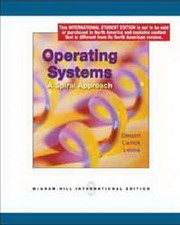
OPERATING SYSTEMS:A SPIRAL APPROACH (IE)
作者:
ELMASRI
分類:
語言工具
/
英語進修
叢書系列:大學資訊
出版社:
全華圖書
出版日期:2009/1/1
ISBN:0070164541
書籍編號:kk0241611
頁數:544
定價:
1080
元
書價若有異動,以出版社實際定價為準
訂購後立即為您進貨
訂購後立即為您進貨:目前無庫存量,讀者下訂後,開始進入調書程序,一般天數約為2-10工作日(不含例假日)。
團購數最低為 20 本以上
評價數:
(請將滑鼠移至星星處進行評價)
目前平均評價:
文字連結
複製語法
<a href='https://www.silkbook.com/book_detail.asp?goods_ser=kk0241611'>OPERATING SYSTEMS:A SPIRAL APPROACH (IE)</a>
圖片連結
複製語法
<a href='https://www.silkbook.com/book_detail.asp?goods_ser=kk0241611'><img src='https://www.silkbook.com/mall_image/bk/kk0241611.jpg' ALT='OPERATING SYSTEMS:A SPIRAL APPROACH (IE)' height='120' width='90'></a>
分
享
內容簡介
同類推薦
OPERATING SYSTEMS:A SPIRAL APPROACH (IE) Elmasri, Levine, and Carrick's "spiral approach" to teaching operating systems develops student understanding of various OS components early on and helps students approach the more difficult aspects of operating systems with confidence. While operating systems have changed dramatically over the years, most OS books use a linear approach that covers each individual OS component in depth, which is difficult for students to follow and requires instructors to constantly put materials in context. Elmasri, Levine, and Carrick do things differently by following an integrative or "spiral" approach to explaining operating systems. The spiral approach alleviates the need for an instructor to "jump ahead" when explaining processes by helping students "completely" understand a simple, working, functional system as a whole in the very beginning. This is more effective pedagogically, and it inspires students to continue exploring more advanced concepts with confidence. 本書特色: 1. The book covers modern operating systems found in devices not conventionally regarded as computers since the students use these devices every day and have an operational familiarity with them. 2. Authors use a conversational style of writing to avoid boring the students with excessive pedantry. 3. The book not only uses the normal, accepted terms for describing operating systems but also discusses alternative terms when no accepted standard terminology exists or where other terms were used historically. 4. The authors discuss algorithmic solutions as wel as providing pseudocode, since students at different schools will have been exposed to different languages. 5. For each operating system that is treated separately, whether in the spiral section or in the case studies, the book includes some history of the industry at the time, and sometimes the key companies or individuals involved. This follows from the author''s basic belief that a student can understand operating systems better if they are placed in a meaningful context. 6. An abundance of figures are incorporated as an aid to those who learn beter visually rather than by reading sequences of words. 7. Each chapter ends with a set of questions that a student can use to assess the level of understanding of the material in the chapter. 8. Projects are outlined for many chapters which can be used by the instructor to ground the students'' understanding in reality.
關鍵英單 2:108
打造成功習慣的英語抄
GEPT新制全民英檢
GEPT 新制全民英
FUN學美國各學科初
FUN學美國各學科初
這樣學外語才有效:外
焦點英語閱讀 1:六
從英文文法句型到短文
留學,是為了成為更好
為了保障您的權益,新絲路網路書店所購買的商品均享有到貨七天的鑑賞期(含例假日)。退回之商品必須於鑑賞期內寄回(以郵戳或收執聯為憑),且商品必須是全新狀態與完整包裝(商品、附件、內外包裝、隨貨文件、贈品等),否則恕不接受退貨。