登入
|
註冊
|
會員中心
|
結帳
|
培訓課程
魔法弟子
|
自資出版
|
電子書
|
客服中心
|
智慧型立体會員
書名
出版社
作者
isbn
編號
5050魔法眾籌
|
NG書城
|
國際級品牌課程
|
優惠通知
|
霹靂英雄音樂精選
|
阿啾與小狗子的吐嘈同萌
此作者無相關書籍
文學小說
文學
|
小說
商管創投
財經投資
|
行銷企管
人文藝坊
宗教、哲學
社會、人文、史地
藝術、美學
|
電影戲劇
勵志養生
醫療、保健
料理、生活百科
教育、心理、勵志
進修學習
電腦與網路
|
語言工具
雜誌、期刊
|
軍政、法律
參考、考試、教科用書
科學工程
科學、自然
|
工業、工程
家庭親子
家庭、親子、人際
青少年、童書
玩樂天地
旅遊、地圖
|
休閒娛樂
漫畫、插圖
|
限制級
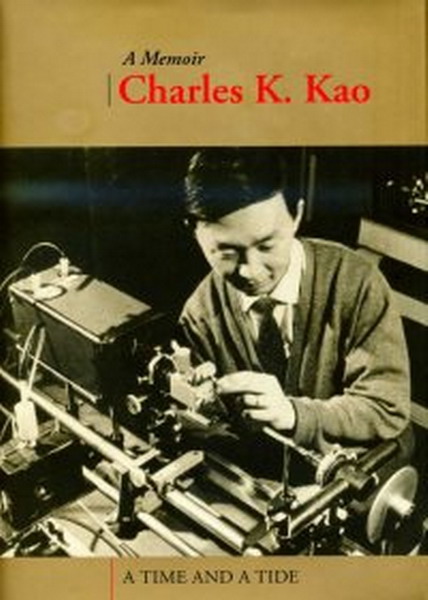
A Time and A Tide:Charles K. Kao:A Memoir
作者:
Charles K. Kao
分類:
文學
/
生活散文
出版社:
香港大學出版社
出版日期:2010/12/1
ISBN:9789629964467
書籍編號:kk0317737
頁數:279
定價:
950
元
優惠價:
88
折
836
元
書價若有異動,以出版社實際定價為準
訂購後立即為您進貨
訂購後立即為您進貨:目前無庫存量,讀者下訂後,開始進入調書程序,一般天數約為2-10工作日(不含例假日)。
團購數最低為 20 本以上
評價數:
(請將滑鼠移至星星處進行評價)
目前平均評價:
文字連結
複製語法
<a href='https://www.silkbook.com/book_detail.asp?goods_ser=kk0317737'>A Time and A Tide:Charles K. Kao:A Memoir</a>
圖片連結
複製語法
<a href='https://www.silkbook.com/book_detail.asp?goods_ser=kk0317737'><img src='https://www.silkbook.com/mall_image/bk/kk0317737.jpg' ALT='A Time and A Tide:Charles K. Kao:A Memoir' height='120' width='90'></a>
分
享
內容簡介
作者介紹
同類推薦
A Time and A Tide:Charles K. Kao:A Memoir Sir Charles Kao is generally regarded as the father of fiber optics, based in part on his discovery that signal loss in fiber cables was a direct result of impurities in the glass rather than a flaw in the technology—a breakthrough that affects nearly every aspect of our present-day communication infrastructure. Awarded the Nobel Prize in Physics in 2009 "for groundbreaking achievements concerning the transmission of light in fibers for optical communication," this memoir chronicles the personal and scientific odyssey of one of the twentieth century’s most influential scientists. Beginning with his childhood in war-torn Shanghai and Hong Kong, Kao then explores the turbulent rift that forced him from his family. Later, he details his early work and experience that established the basis for his seminal research with glass fibers in the 1960s. Following this groundbreaking work, Kao gives his account of his later tenure as a professor at The Chinese University of Hong Kong and eventually as Vice Chancellor of the university. After offering his thoughts on being honored with the Nobel Prize, Kao ends with a reflection on his personal and professional experiences as well as with some last insights into the future of science.
尋鯨人的夢境:麻醉科
因為神奇,所以寶貝!
迴聲
看見雪的房間:《青春
撒哈拉的故事【50週
一九九○恐怖大王台北
興沖沖地活
儼然與粲然む蕭蕭文化
雲端探頭む蕭蕭文化散
海客談瀛洲
為了保障您的權益,新絲路網路書店所購買的商品均享有到貨七天的鑑賞期(含例假日)。退回之商品必須於鑑賞期內寄回(以郵戳或收執聯為憑),且商品必須是全新狀態與完整包裝(商品、附件、內外包裝、隨貨文件、贈品等),否則恕不接受退貨。