登入
|
註冊
|
會員中心
|
結帳
|
培訓課程
魔法弟子
|
自資出版
|
電子書
|
客服中心
|
智慧型立体會員
書名
出版社
作者
isbn
編號
5050魔法眾籌
|
NG書城
|
國際級品牌課程
|
優惠通知
|
霹靂英雄音樂精選
|
華文文學的大同世界
此作者無相關書籍
文學小說
文學
|
小說
商管創投
財經投資
|
行銷企管
人文藝坊
宗教、哲學
社會、人文、史地
藝術、美學
|
電影戲劇
勵志養生
醫療、保健
料理、生活百科
教育、心理、勵志
進修學習
電腦與網路
|
語言工具
雜誌、期刊
|
軍政、法律
參考、考試、教科用書
科學工程
科學、自然
|
工業、工程
家庭親子
家庭、親子、人際
青少年、童書
玩樂天地
旅遊、地圖
|
休閒娛樂
漫畫、插圖
|
限制級
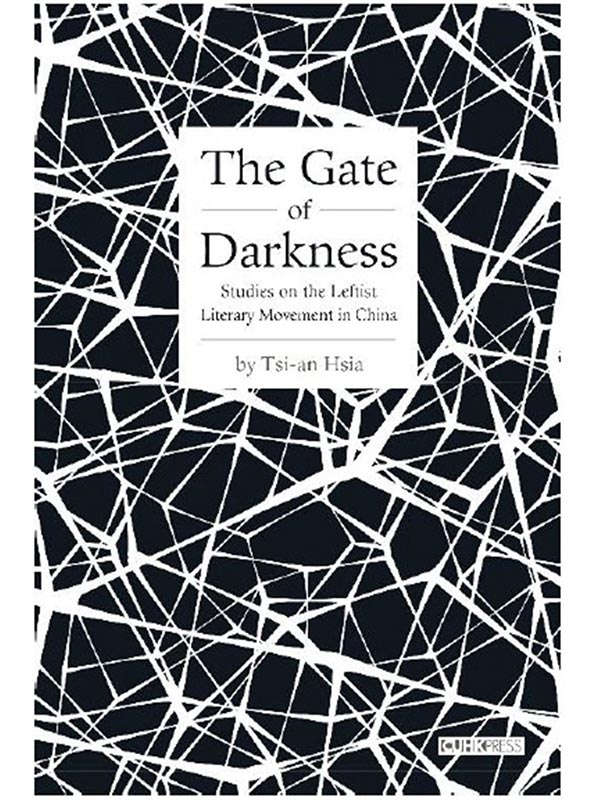
The Gate of Darkness:Studies on the Leftist Literary Movement in China(平裝)
作者:
Tsi-an Hsia
分類:
文學
/
文學綜論
出版社:
香港中文大學
出版日期:2016/6/1
ISBN:9789629966874
書籍編號:kk0585495
頁數:392
定價:
900
元
優惠價:
88
折
792
元
書價若有異動,以出版社實際定價為準
訂購後立即為您進貨
訂購後立即為您進貨:目前無庫存量,讀者下訂後,開始進入調書程序,一般天數約為2-10工作日(不含例假日)。
團購數最低為 20 本以上
評價數:
(請將滑鼠移至星星處進行評價)
目前平均評價:
文字連結
複製語法
<a href='https://www.silkbook.com/book_detail.asp?goods_ser=kk0585495'>The Gate of Darkness:Studies on the Leftist Literary Movement in China(平裝)</a>
圖片連結
複製語法
<a href='https://www.silkbook.com/book_detail.asp?goods_ser=kk0585495'><img src='https://www.silkbook.com/mall_image/bk/kk0585495.jpg' ALT='The Gate of Darkness:Studies on the Leftist Literary Movement in China(平裝)' height='120' width='90'></a>
分
享
內容簡介
作者介紹
同類推薦
The Gate of Darkness:Studies on the Leftist Literary Movement in China(平裝) 內容簡介 First published in 1968,this volume of essays,posthumously edited by the author’s brother Professor C。 T。 Hsia (a prominent Columbia University professor of Chinese literature),focuses on Chinese literary criticism relating to the work of leftist Chinese writers,including Lu Hsün,Chiang Kuang-tz’u,the “Five Martyrs,” and Chü Ch’iu-po,who were sympathetic to the ideals of the pre-1949 Chinese communist party。 As one of the few foundational texts to provide a critical overview of the aesthetics and politics of China’s leftist literary movement,The Gate of Darkness examines the conflicting dilemmas between leftist authors’ own ideals and the strict ideological frameworks imposed by the propaganda policies of the Chinese communist party in the early twentieth century。 Hsia’s essays are exciting reading precisely because Mr。 Hsia approached his subject not merely with the index-cards of a historian but also with the sensitive eyes of a novelist。 Tsi-an Hsia is a creative and compassionate scholar who has opened Lu Hsün’s inner “gate of darkness” to unveil “a fascinating world of demons and ghosts as dramatized in village operas and popular superstitions。”— Professor Lee Ou-fan,The Chinese University of Hong Kong T。 A。 Hsia is one of the most important critics of modern Chinese literature。 In The Gate of Darkness he seeks to examine the dynamics of Chinese leftist literature from an overarching perspective,and offers perceptive and profound observations。 He looks into sources drawn from social,cultural and intellectual inquires,identifies literary and ideological contestations,and teases out polemical elements in the theory and practice of revolutionary politics,ethics,and aesthetics。 Hsia’s book is an indispensable source for anyone interested in modern Chinese literature and cultural politics。—Professor David Der-wei Wang,Harvard University
台北城南舊事:時間遺
醉書翁八十回眸(精裝
勒瑰恩談寫作
紅樓遊園 一器一物
打開古人的內心小劇場
如夢錄:明清敘事文學
紅樓遊園 一步一景
善書、經卷與文獻(1
有一天我開始讀奇幻愛
古人的決策,你的對策
為了保障您的權益,新絲路網路書店所購買的商品均享有到貨七天的鑑賞期(含例假日)。退回之商品必須於鑑賞期內寄回(以郵戳或收執聯為憑),且商品必須是全新狀態與完整包裝(商品、附件、內外包裝、隨貨文件、贈品等),否則恕不接受退貨。